Resilience and Positive Thinking Cultivating Inner Strength
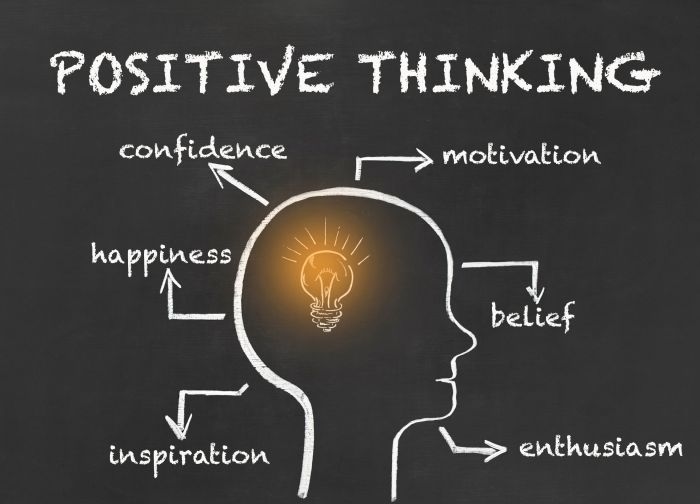
Resilience and positive thinking are not merely buzzwords; they are fundamental pillars supporting mental and emotional well-being. This exploration delves into the multifaceted nature of resilience, examining its psychological, social, and biological aspects. We’ll uncover practical strategies for building resilience and fostering a positive mindset, even amidst life’s inevitable challenges. The journey will also cover techniques for managing stress and anxiety, and resources for navigating depression, all while emphasizing the power of mindfulness and self-care.
Through evidence-based approaches and practical exercises, we aim to equip readers with the tools to cultivate inner strength, navigate adversity, and thrive in the face of life’s complexities. We’ll explore various therapeutic options, discuss the importance of mental health advocacy, and highlight the crucial role of sleep and a supportive work environment in overall well-being. Ultimately, this exploration emphasizes a holistic approach to personal growth and self-care, empowering individuals to build a life characterized by resilience, positivity, and lasting mental health.
Mental Health Advocacy
Mental health advocacy plays a crucial role in shaping societal attitudes and policies related to mental well-being. It aims to reduce stigma, improve access to quality care, and promote mental health as an integral part of overall health. Effective advocacy ensures that individuals struggling with mental health challenges receive the support and resources they need to thrive.Mental health advocacy is essential for fostering a society that values and prioritizes mental well-being.
By challenging misconceptions and promoting understanding, advocacy efforts create a more inclusive and supportive environment for those affected by mental illness. This, in turn, leads to improved access to treatment, reduced stigma, and ultimately, better mental health outcomes for individuals and communities.
The Importance of Reducing Stigma and Improving Access to Care
Stigma surrounding mental health significantly hinders individuals from seeking help. Fear of judgment, discrimination, and social isolation prevents many from disclosing their struggles and accessing necessary care. Advocacy campaigns actively challenge these negative perceptions by promoting open conversations about mental health, sharing personal stories of recovery, and educating the public about mental health conditions. Simultaneously, improving access to care requires advocating for increased funding for mental health services, expanding the availability of mental health professionals, and ensuring equitable access for all individuals, regardless of their socioeconomic status, geographic location, or other factors.
Challenges in Mental Health Advocacy and Strategies for Overcoming Them
Several significant challenges impede effective mental health advocacy. These include limited funding for advocacy organizations, difficulties in measuring the impact of advocacy efforts, and the persistent influence of stigma, even within healthcare settings. Overcoming these challenges requires a multi-pronged approach. This includes securing sustainable funding through grants, philanthropic contributions, and government support. Developing robust evaluation methods to track progress and demonstrate the effectiveness of advocacy campaigns is also crucial.
Furthermore, collaborative efforts between advocacy groups, healthcare providers, policymakers, and community organizations are vital to address the multifaceted nature of the problem. Building strong partnerships and utilizing diverse advocacy strategies, such as public awareness campaigns, lobbying efforts, and community engagement initiatives, are essential to overcome these challenges.
Examples of Successful Mental Health Advocacy Campaigns and Initiatives
Numerous successful campaigns have demonstrated the power of advocacy in improving mental health outcomes. The “You Are Not Alone” campaign, for example, utilized social media to connect individuals struggling with mental health issues and promote a sense of community. Similarly, campaigns focusing on raising awareness of specific mental health conditions, such as depression and anxiety, have helped reduce stigma and encourage help-seeking behaviors.
The work of organizations like the National Alliance on Mental Illness (NAMI) and the Mental Health America (MHA) exemplifies sustained and impactful advocacy efforts, resulting in policy changes, increased funding, and improved access to care in many communities. These initiatives highlight the importance of sustained, strategic advocacy in creating lasting positive change.
The Role of Individuals and Communities in Promoting Mental Health Awareness
Individuals and communities play a vital role in promoting mental health awareness. Simple acts, such as engaging in open and honest conversations about mental health, actively listening to those who are struggling, and challenging stigma whenever it arises, can make a significant difference. Community-based initiatives, such as mental health awareness events, educational workshops, and peer support groups, provide platforms for education, support, and community building.
By fostering a culture of understanding and empathy, individuals and communities can create supportive environments where people feel comfortable seeking help and receiving the support they need.
Building Resilience
Resilience is the ability to bounce back from adversity, to cope with stress, and to adapt to change. It’s not about avoiding hardship, but about navigating it effectively and emerging stronger. Building resilience is a proactive process, involving a combination of strategies and practices designed to strengthen your inner fortitude and ability to withstand life’s inevitable challenges.
Developing Coping Skills
Effective coping skills are fundamental to building resilience. These are the strategies you employ to manage stress and navigate difficult situations. They can range from practical problem-solving techniques to emotional regulation strategies. Developing a diverse toolkit of coping mechanisms allows you to adapt your approach based on the specific challenge you face. For instance, mindfulness practices can help regulate emotions during stressful situations, while journaling can provide a space for processing complex feelings.
Learning to identify your triggers and developing proactive strategies to address them is crucial for long-term resilience.
Fostering Social Support
Human connection is a powerful buffer against adversity. Strong social support networks provide emotional comfort, practical assistance, and a sense of belonging. These networks can include family, friends, colleagues, support groups, or even online communities. Nurturing these relationships, actively seeking support when needed, and contributing to the well-being of others strengthens your own resilience. Regular interaction and open communication are key to maintaining strong social connections.
Knowing you have people to turn to in times of need significantly reduces the impact of stressful events.
Practicing Self-Compassion
Self-compassion involves treating yourself with the same kindness, understanding, and support you would offer a close friend facing similar challenges. It’s about acknowledging your suffering without judgment, recognizing that everyone experiences setbacks, and offering yourself encouragement rather than self-criticism. Self-compassion helps to mitigate the negative self-talk and self-blame that can exacerbate the impact of adversity. It allows you to learn from mistakes without dwelling on them, fostering a more positive and resilient mindset.
A Step-by-Step Plan for Building Resilience
Building resilience is a journey, not a destination. A structured approach can significantly enhance the process.
- Identify your stressors: Recognize the situations, events, or thoughts that trigger stress or overwhelm you.
- Develop coping strategies: Create a list of healthy coping mechanisms you can utilize when faced with these stressors. This could include exercise, meditation, spending time in nature, engaging in hobbies, or talking to a trusted friend or therapist.
- Build your support network: Identify and nurture relationships with supportive individuals who can offer emotional and practical assistance.
- Practice self-compassion: Treat yourself with kindness and understanding, especially during difficult times. Challenge negative self-talk and replace it with positive affirmations.
- Learn from setbacks: View challenges as opportunities for growth and learning. Analyze what happened, what you could have done differently, and how you can better prepare for similar situations in the future.
- Celebrate successes: Acknowledge and celebrate your accomplishments, no matter how small. This reinforces your sense of self-efficacy and builds confidence.
- Maintain a healthy lifestyle: Prioritize regular exercise, a balanced diet, sufficient sleep, and mindfulness practices to support your overall well-being.
The Role of Positive Self-Talk and Affirmations
Positive self-talk and affirmations play a crucial role in enhancing resilience. By consciously replacing negative thoughts with positive and encouraging ones, you can shift your perspective and foster a more optimistic outlook. Regularly repeating affirmations, such as “I am strong,” “I can overcome this,” or “I am capable,” can gradually reprogram your subconscious mind and build self-belief. This positive internal dialogue strengthens your ability to cope with challenges and maintain a sense of hope.
Examples of Remarkable Resilience
Many individuals have demonstrated extraordinary resilience in overcoming adversity. Malala Yousafzai, a Pakistani activist for female education, faced life-threatening violence but continued her advocacy for girls’ rights. Nelson Mandela, after decades of imprisonment, emerged as a symbol of forgiveness and reconciliation, leading South Africa’s transition to democracy. These examples highlight the power of resilience in the face of immense challenges, demonstrating that even the most difficult circumstances can be navigated with determination and perseverance.
Sleep and Mental Health
Sleep and mental well-being are intricately linked. Sufficient, high-quality sleep is crucial for maintaining good mental health, while sleep deprivation significantly increases the risk and severity of various mental health conditions. This section explores this relationship, offering practical strategies for improving sleep and addressing the impact of sleep disorders.Sleep deprivation negatively impacts cognitive function, emotional regulation, and overall mental health.
Reduced sleep is associated with increased irritability, difficulty concentrating, impaired judgment, and heightened susceptibility to stress. Furthermore, chronic sleep loss has been linked to an increased risk of developing or exacerbating conditions like anxiety, depression, and bipolar disorder. The exact mechanisms are complex and still being researched, but it is clear that adequate sleep is essential for brain health and mental resilience.
The Impact of Sleep Deprivation on Mental Health Conditions, Resilience and positive thinking
Sleep deprivation exacerbates existing mental health conditions and increases vulnerability to new ones. For example, individuals with depression often experience disrupted sleep patterns, including insomnia and excessive daytime sleepiness. This disrupted sleep, in turn, worsens depressive symptoms, creating a vicious cycle. Similarly, sleep deprivation can trigger or worsen anxiety symptoms, leading to increased feelings of worry, nervousness, and panic. In individuals with bipolar disorder, sleep disturbances can contribute to mood instability and increase the frequency and intensity of manic or depressive episodes.
Research consistently demonstrates a strong correlation between insufficient sleep and the worsening of symptoms across a range of mental health disorders.
Practical Tips for Improving Sleep Hygiene
Establishing good sleep hygiene involves creating a consistent and conducive sleep environment and adopting healthy sleep habits. This includes maintaining a regular sleep schedule, even on weekends, to regulate the body’s natural sleep-wake cycle. Creating a relaxing bedtime routine, such as taking a warm bath or reading a book, can signal to the body that it’s time to wind down.
Ensuring the bedroom is dark, quiet, and cool optimizes the sleep environment. Limiting caffeine and alcohol intake before bed is also crucial, as these substances can interfere with sleep quality. Regular physical activity during the day, but avoiding strenuous exercise close to bedtime, can also promote better sleep.
The Role of Sleep Disorders in Mental Health Problems
Sleep disorders, such as insomnia and sleep apnea, frequently coexist with and contribute to mental health problems. Insomnia, characterized by difficulty falling asleep, staying asleep, or experiencing non-restorative sleep, is a common symptom of anxiety and depression. Untreated insomnia can lead to a worsening of these conditions and create a significant burden on daily functioning. Sleep apnea, a condition where breathing repeatedly stops and starts during sleep, disrupts sleep architecture and can lead to daytime sleepiness, fatigue, and cognitive impairment.
These symptoms can exacerbate existing mental health conditions and increase the risk of developing new ones. Addressing these sleep disorders through appropriate treatment is vital for improving mental well-being.
A Checklist of Healthy Sleep Habits
Developing consistent healthy sleep habits is paramount for mental well-being. Here’s a checklist to guide you:
- Maintain a regular sleep schedule, going to bed and waking up at the same time each day, even on weekends.
- Create a relaxing bedtime routine to signal to your body that it’s time to sleep.
- Ensure your bedroom is dark, quiet, and cool.
- Limit caffeine and alcohol intake before bed.
- Get regular exercise during the day, but avoid strenuous activity close to bedtime.
- Create a comfortable and supportive sleep environment with a comfortable mattress and pillows.
- Practice relaxation techniques, such as deep breathing or meditation, before bed.
- Avoid screen time (phones, tablets, computers) at least an hour before bed.
- If you have trouble sleeping, consider seeking professional help from a doctor or sleep specialist.
Workplace Mental Health
Maintaining positive mental health in the workplace is crucial for both employee well-being and organizational success. A mentally healthy workforce is more productive, engaged, and innovative. Conversely, neglecting mental health can lead to increased absenteeism, decreased productivity, and higher turnover rates. This section explores common workplace stressors, strategies for promoting mental well-being, the employer’s role, and the benefits of a supportive work environment.
Common Workplace Stressors and Their Impact
Workplace stressors significantly impact employee mental health, often contributing to anxiety, depression, and burnout. These stressors can range from excessive workload and long working hours to lack of control, poor work-life balance, and bullying or harassment. For example, consistently meeting unrealistic deadlines can lead to chronic stress, impacting sleep quality and increasing the risk of anxiety disorders. Similarly, a hostile work environment characterized by bullying or discrimination can severely damage an individual’s self-esteem and mental well-being, potentially leading to depression and even post-traumatic stress disorder (PTSD).
The cumulative effect of these stressors can lead to decreased job satisfaction, increased errors, and a higher likelihood of workplace accidents.
Strategies for Promoting Mental Well-being
Implementing effective strategies to promote mental well-being is vital for creating a healthy and productive work environment. These strategies include stress management programs, such as mindfulness training, yoga, or meditation sessions offered during work hours. Regular workshops and training sessions focusing on mental health awareness can help employees recognize the signs and symptoms of mental health conditions in themselves and colleagues.
Employers can also facilitate access to employee assistance programs (EAPs) that provide confidential counseling and support services. Furthermore, promoting a culture of open communication, where employees feel comfortable discussing mental health concerns without fear of stigma or retribution, is crucial. Flexible work arrangements, such as remote work options or flexible hours, can also contribute significantly to improved work-life balance and reduced stress levels.
A company might offer, for instance, a program that allows employees to take a paid mental health day once a quarter.
The Employer’s Role in Supporting Employee Mental Health
Employers play a pivotal role in fostering a mentally healthy workplace. This involves creating a supportive and inclusive environment where mental health is prioritized and openly discussed. This begins with leadership actively demonstrating commitment to mental well-being, setting a positive example, and encouraging open dialogue about mental health. Implementing policies that promote work-life balance, such as generous vacation time and flexible work arrangements, are also crucial.
Providing access to mental health resources, such as EAPs and mental health professionals, is essential. Regularly conducting employee surveys and feedback sessions can help employers identify areas for improvement and address emerging mental health concerns proactively. Furthermore, employers should invest in training managers to recognize signs of mental health struggles in their team members and provide appropriate support.
For instance, managers could be trained to identify signs of burnout or depression and refer employees to appropriate resources.
Benefits of a Supportive and Inclusive Workplace Culture
A supportive and inclusive workplace culture significantly benefits both employees and the organization. When employees feel valued, respected, and supported, they are more likely to be engaged, productive, and committed to their work. This translates into lower absenteeism, reduced turnover, and improved overall organizational performance. A culture of open communication and psychological safety enables employees to openly discuss mental health concerns without fear of judgment or discrimination.
This, in turn, fosters a sense of trust and belonging, enhancing employee morale and job satisfaction. A supportive workplace also contributes to a positive work-life balance, allowing employees to maintain their mental and physical well-being outside of work. Ultimately, investing in employee mental health is an investment in the overall success and sustainability of the organization.
Overcoming Addictions: Resilience And Positive Thinking
Addiction is a complex condition characterized by a compulsive need to engage in a specific behavior or consume a substance, despite harmful consequences. It significantly impacts both mental and physical health, leading to a range of issues from impaired cognitive function and emotional instability to organ damage and physical illness. Understanding the multifaceted nature of addiction is crucial for effective treatment and recovery.
The Nature of Addiction and its Impact
Addiction affects the brain’s reward system, leading to intense cravings and a loss of control over the addictive behavior or substance. This disruption can manifest in various ways, including mood swings, anxiety, depression, and impaired judgment. Physically, the impact can range from mild withdrawal symptoms to severe organ damage depending on the substance or behavior involved. For example, opioid addiction can lead to respiratory problems and liver damage, while gambling addiction can result in financial ruin and relationship breakdown.
The severity of the impact varies greatly depending on factors such as the type of addiction, the duration, and the individual’s overall health.
Treatment Options for Addiction
A multifaceted approach is generally most effective in overcoming addiction. This often involves a combination of therapies, medications, and support groups tailored to the individual’s specific needs.
Therapeutic Interventions
Various therapeutic approaches can address the underlying psychological factors contributing to addiction. Cognitive Behavioral Therapy (CBT) helps individuals identify and change negative thought patterns and behaviors associated with addiction. Motivational Interviewing (MI) focuses on strengthening the individual’s intrinsic motivation to change. Other therapies, such as family therapy, can address the impact of addiction on relationships and provide support for loved ones.
Medication-Assisted Treatment
Medication can play a crucial role in managing withdrawal symptoms, reducing cravings, and preventing relapse. For example, methadone or buprenorphine can assist in opioid addiction treatment, while medications like acamprosate can aid in alcohol addiction recovery. The choice of medication depends on the specific addiction and the individual’s medical history.
Support Groups and Community Resources
Support groups, such as Alcoholics Anonymous (AA) or Narcotics Anonymous (NA), provide a safe and supportive environment for individuals to share their experiences, connect with others facing similar challenges, and learn coping mechanisms. Many communities also offer resources such as addiction treatment centers, rehabilitation programs, and counseling services.
Success Stories: Fictional Examples
Sarah, a young professional struggling with alcohol addiction, found solace in CBT, which helped her identify the triggers leading to her drinking. Through therapy and attending AA meetings, she gradually rebuilt her life, finding strength in the shared experiences of others and developing healthy coping strategies. Mark, a former gambling addict, utilized medication to manage his cravings and sought support from a therapist specializing in behavioral addictions.
He learned to manage his finances responsibly and found new hobbies to fill the void left by gambling. These examples illustrate that recovery is possible with the right support and commitment.
In conclusion, the journey towards resilience and positive thinking is a continuous process of self-discovery and growth. By understanding the interplay between these concepts, and by actively implementing the strategies and techniques discussed, individuals can significantly enhance their mental and emotional well-being. Remember, building resilience is not about avoiding hardship, but about developing the capacity to navigate challenges with strength, grace, and a positive outlook.
Embrace the power of self-compassion, seek support when needed, and cultivate a mindset that fosters both inner peace and outward success.
Query Resolution
What is the difference between resilience and positive thinking?
Resilience is the ability to bounce back from adversity, while positive thinking is a mental attitude focused on optimism and expecting favorable outcomes. They are interconnected; positive thinking can strengthen resilience.
Can positive thinking cure depression?
No, positive thinking is not a cure for depression. It can be a helpful tool alongside professional treatment, but it’s not a replacement for therapy or medication.
How long does it take to build resilience?
Building resilience is an ongoing process. It takes time and consistent effort to develop coping mechanisms and a positive mindset. Progress is gradual but achievable.
Is resilience genetic?
While genetics may play a role, resilience is largely learned and developed through experience and conscious effort. It’s not solely determined by your genes.


