Sleep and Mood Disorders A Comprehensive Overview
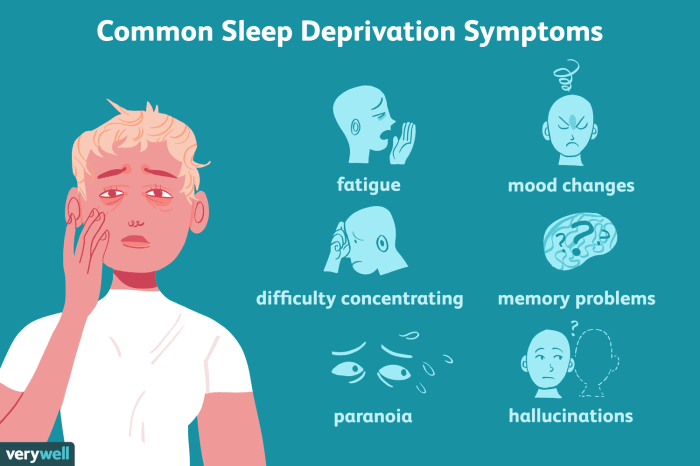
Sleep and mood disorders are intricately linked, a complex dance where poor sleep can exacerbate mood instability, and conversely, emotional distress can disrupt restful slumber. This exploration delves into the bidirectional relationship between sleep quality and mental well-being, examining the neurobiological mechanisms underlying this connection. We’ll explore various sleep disorders and their impact on mood, comparing sleep patterns across different mood disorder diagnoses.
Understanding this interplay is crucial for effective treatment and improved mental health outcomes.
This examination will cover the impact of both acute and chronic sleep deprivation on emotional regulation and cognitive function, detailing the hormonal shifts that contribute to mood disturbances. We’ll also investigate practical strategies for improving sleep hygiene, encompassing relaxation techniques, consistent sleep schedules, and dietary considerations. The role of stress and anxiety management, including CBT techniques and mindfulness practices, will be explored alongside resources and self-help strategies for managing depression and building resilience.
Stress and Anxiety Management Techniques
Effective stress and anxiety management is crucial for overall well-being. Untreated stress and anxiety can negatively impact sleep, mood, and physical health. Fortunately, numerous techniques can help individuals develop coping mechanisms and reduce their experience of these conditions. This section will explore several proven methods for managing stress and anxiety.
Deep Breathing Exercises, Progressive Muscle Relaxation, and Mindfulness Meditation
These techniques offer simple yet powerful ways to calm the nervous system and reduce feelings of stress and anxiety. Deep breathing exercises, such as diaphragmatic breathing, focus on slow, deep inhalations and exhalations, activating the parasympathetic nervous system responsible for relaxation. Progressive muscle relaxation involves systematically tensing and releasing different muscle groups, promoting physical relaxation that often translates to mental calm.
Mindfulness meditation encourages focusing on the present moment without judgment, helping to quiet racing thoughts and reduce anxiety’s intensity. Regular practice of these techniques can significantly improve stress management capabilities.
Cognitive Behavioral Therapy (CBT) Techniques for Anxiety Management
Cognitive Behavioral Therapy (CBT) is a widely used and effective approach to treating anxiety disorders. CBT focuses on identifying and changing negative thought patterns and behaviors that contribute to anxiety. Techniques include cognitive restructuring, where individuals learn to challenge and replace negative or unrealistic thoughts with more balanced and realistic ones. Exposure therapy, a gradual process of facing feared situations or objects, helps reduce avoidance behaviors and anxiety responses.
Behavioral experiments involve testing out negative beliefs in real-life situations to demonstrate their inaccuracy. The consistent application of these techniques can lead to significant reductions in anxiety symptoms. For example, a person with social anxiety might use cognitive restructuring to challenge the thought “Everyone will judge me negatively,” replacing it with “Some people might have opinions, but most won’t even notice.” Then, they might use exposure therapy to gradually increase their social interactions.
The Benefits of Regular Physical Exercise and its Role in Stress Reduction
Regular physical activity is a highly effective stress reducer. Exercise releases endorphins, natural mood boosters that have analgesic and stress-reducing effects. Moreover, physical activity provides a healthy outlet for pent-up energy and frustration, preventing these feelings from escalating into anxiety or other problems. Even moderate exercise, such as a brisk 30-minute walk most days of the week, can make a noticeable difference in stress levels.
Studies have shown a strong correlation between regular exercise and reduced symptoms of anxiety and depression. For instance, a meta-analysis of numerous studies found that exercise was as effective as medication in treating mild to moderate depression.
The Importance of Social Support and Building Healthy Relationships
Strong social connections are vital for managing stress and anxiety. Having a supportive network of friends, family, or colleagues provides emotional buffering during challenging times. Sharing worries and concerns with trusted individuals can reduce feelings of isolation and overwhelm. Building healthy relationships involves open communication, empathy, and mutual support. Social interaction provides opportunities for relaxation, enjoyment, and a sense of belonging, all of which contribute to better stress management.
Individuals lacking strong social support networks may benefit from actively seeking out opportunities to connect with others, perhaps through joining clubs or groups based on shared interests.
Managing an Anxiety Attack: A Step-by-Step Process

Mindfulness Practices for Improved Mental Well-being
Mindfulness, the practice of paying attention to the present moment without judgment, offers a powerful pathway to improved mental well-being. By cultivating awareness of our thoughts, feelings, and bodily sensations, we can reduce stress, enhance emotional regulation, and foster a greater sense of inner peace. This approach contrasts with the tendency to dwell on the past or worry about the future, which often fuels anxiety and unhappiness.Mindfulness’s impact on stress reduction stems from its ability to interrupt the cycle of negative thought patterns.
When we’re mindful, we observe our thoughts and emotions without getting carried away by them, reducing their power to overwhelm us. This creates space for a more balanced perspective and allows us to respond to stressful situations with greater clarity and composure. Similarly, emotional regulation is improved through increased self-awareness. By recognizing our emotions as they arise, without judgment, we can learn to manage them more effectively, preventing them from escalating into overwhelming experiences.
Body Scan Meditation
Body scan meditation involves systematically bringing awareness to different parts of the body, noticing sensations without judgment. One might start with the toes, focusing on any sensations of tingling, warmth, pressure, or coolness. The focus then gradually moves upwards, through the feet, ankles, calves, and so on, until the entire body has been scanned. The goal is not to change the sensations but simply to observe them with curiosity and acceptance.
This practice enhances body awareness, reduces muscle tension, and promotes a sense of groundedness.
Mindful Breathing
Mindful breathing is a simple yet profound practice that anchors us in the present moment. It involves paying close attention to the natural rhythm of our breath—the rise and fall of the chest or abdomen, the sensation of air entering and leaving the nostrils. When the mind wanders, which it inevitably will, we gently redirect our attention back to the breath without self-criticism.
This cultivates focus, reduces racing thoughts, and promotes a state of calm. Regular practice can significantly reduce feelings of anxiety and improve overall mental clarity.
Mindful Walking
Mindful walking transforms a mundane activity into a meditative practice. It involves paying attention to the physical sensations of walking—the feeling of feet contacting the ground, the movement of the legs, the rhythm of the steps. We can also notice our surroundings—the sights, sounds, and smells—without getting lost in thought. Mindful walking can be done anywhere, anytime, making it an easily accessible way to cultivate mindfulness throughout the day.
It promotes physical and mental well-being by combining movement with focused attention.
Examples of Guided Mindfulness Meditations
Imagine sitting comfortably, either on a cushion or in a chair. Close your eyes gently. Bring your attention to your breath, noticing the sensation of the air entering and leaving your nostrils. As you focus on your breath, you might notice your mind wandering—this is perfectly normal. When you notice your mind has wandered, simply acknowledge it without judgment and gently guide your attention back to your breath.
Now, expand your awareness to include the sensations in your body. Notice any tension, warmth, or coolness. Observe these sensations without trying to change them. Continue this practice for 5-10 minutes.Another guided meditation might involve visualizing a peaceful scene—a beach, a forest, or a mountaintop. Focus on the details of the scene—the colors, sounds, and textures.
As you visualize this scene, allow yourself to feel a sense of calm and peace. If thoughts or distractions arise, gently guide your attention back to the scene.
Integrating Mindfulness into Daily Life
Mindfulness can be seamlessly integrated into various aspects of daily life. At work, practicing mindful breathing during stressful moments can help manage pressure and enhance focus. In relationships, mindful listening—paying attention to your partner’s words and emotions without interruption—can deepen connection and understanding. During meals, mindful eating involves savoring each bite, noticing the tastes, textures, and smells of the food, promoting healthier eating habits and greater appreciation for the experience.
Even seemingly mundane tasks, like washing dishes or showering, can become opportunities for mindful practice by paying attention to the sensations and movements involved.
Mental Health Advocacy and Reducing Stigma
Mental health advocacy plays a crucial role in fostering a society that understands and supports individuals facing mental health challenges. By actively challenging stigma and promoting understanding, advocates create an environment where people feel comfortable seeking help without fear of judgment or discrimination. This ultimately leads to improved mental well-being and access to essential resources.The impact of stigma on individuals seeking help is profound.
Fear of social isolation, discrimination in employment or housing, and the internalized shame associated with mental illness often prevent people from accessing necessary treatment. This delay in care can exacerbate symptoms and lead to more severe outcomes. Therefore, effective advocacy is essential for dismantling these barriers and building a more supportive community.
Strategies for Advocating for Improved Mental Health Services and Resources
Effective advocacy involves several key strategies. One approach is to engage with policymakers at local, regional, and national levels. This involves lobbying for increased funding for mental health services, advocating for policy changes that promote mental health parity, and participating in public forums to raise awareness. Collaborating with community organizations, mental health professionals, and individuals with lived experience is also vital for creating a unified voice and maximizing the impact of advocacy efforts.
Raising awareness through public education campaigns and community events can also significantly contribute to reducing stigma and increasing access to care. Finally, personal storytelling, sharing individual experiences, and humanizing mental health issues can create a powerful connection with the community and inspire others to get involved.
The Impact of Stigma on Individuals Seeking Help
Stigma surrounding mental illness creates significant barriers to accessing care. Individuals may fear judgment from family, friends, colleagues, or even healthcare providers, leading to reluctance to seek professional help. This can result in delayed or inadequate treatment, worsening symptoms and potentially leading to more serious consequences. The internalized stigma, where individuals themselves believe negative stereotypes about mental illness, further compounds the problem, leading to low self-esteem, feelings of shame, and a reduced sense of hope for recovery.
This can manifest in avoidance of social situations, difficulty maintaining relationships, and challenges in pursuing educational or career goals. The consequences of untreated mental illness can be far-reaching, affecting not only the individual but also their families and communities.
Challenging Negative Stereotypes and Promoting Positive Representations
Challenging negative stereotypes requires a multi-pronged approach. It involves actively promoting positive representations of mental health in media, popular culture, and educational settings. This includes showcasing individuals with mental health conditions as capable, resilient, and valuable members of society, countering harmful myths and misconceptions. Educating ourselves and others about mental illness through reliable sources, engaging in respectful conversations, and using person-first language (e.g., “person with depression” instead of “depressed person”) are crucial steps.
Supporting organizations and initiatives that work to reduce stigma and promote mental health awareness can also contribute significantly. Furthermore, actively challenging discriminatory language and behaviors whenever encountered helps to create a more inclusive and accepting environment.
Public Service Announcement Script
[Scene: A diverse group of people – young and old, different ethnicities – are shown in various settings: working, studying, playing with children, engaging in hobbies.] Narrator: Millions of people experience mental health challenges every day. But you don’t have to face them alone. Mental illness is not a sign of weakness; it’s a health condition, just like any other.[Scene shifts to show individuals sharing their stories briefly and positively, focusing on resilience and recovery.] Person 1: I was hesitant to seek help, afraid of what people would think.
But reaching out was the best decision I ever made. Person 2: With support and treatment, I’m managing my mental health and living a fulfilling life. Person 3: Let’s break the stigma together. Let’s talk openly about mental health.[Scene returns to the diverse group, now smiling and supporting each other.] Narrator: If you or someone you know needs help, resources are available.
Visit [website address] or call [phone number] to find support and connect with others. You are not alone.
Therapy and Counseling Options for Mood Disorders
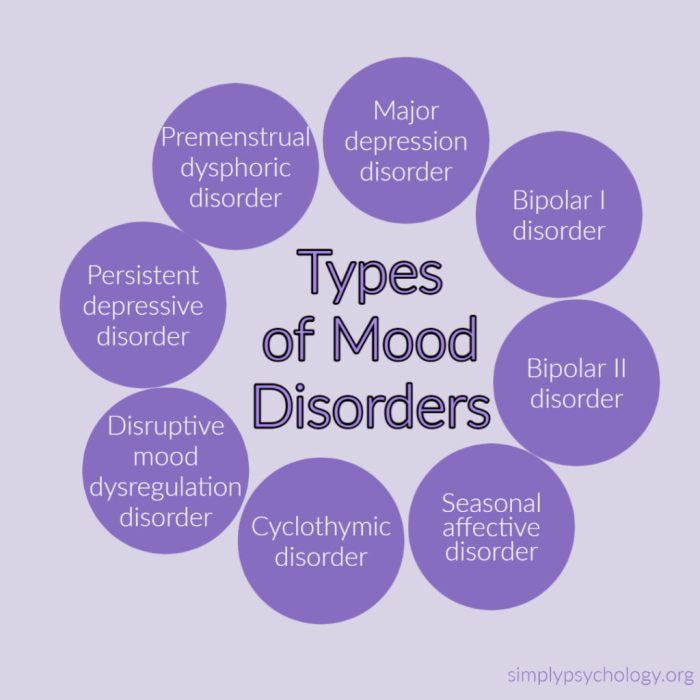
Mood disorders, encompassing conditions like depression and bipolar disorder, significantly impact an individual’s emotional well-being and daily functioning. Effective treatment often involves a combination of medication and therapy, with therapy playing a crucial role in addressing underlying thought patterns, behaviors, and interpersonal relationships contributing to the disorder. Several therapeutic approaches have proven effective, each offering unique strategies and benefits.
Different Types of Therapy for Mood Disorders
Various therapeutic approaches effectively treat mood disorders. Cognitive Behavioral Therapy (CBT), psychodynamic therapy, and interpersonal therapy (IPT) are prominent examples. CBT focuses on identifying and modifying negative thought patterns and behaviors that perpetuate mood disturbances. Psychodynamic therapy explores unconscious patterns and past experiences influencing current emotional states. IPT emphasizes improving interpersonal relationships as a key to managing mood symptoms.
While all three aim to improve mental health, their approaches and focuses differ significantly. For instance, CBT is often more structured and goal-oriented, while psychodynamic therapy takes a more exploratory and long-term approach. The effectiveness of each therapy can vary depending on the individual and the specific mood disorder.
The Therapist’s Role in Supporting Individuals with Mood Disorders
A therapist acts as a guide and support system for individuals navigating mood disorders. Their role extends beyond simply offering advice; they provide a safe and confidential space for exploring emotions, developing coping mechanisms, and setting realistic goals. Therapists help individuals identify triggers, challenge negative thinking patterns, and build healthier coping strategies. They also offer encouragement and validation, helping clients build self-esteem and resilience.
Moreover, therapists can help clients navigate difficult life events and relationships that may exacerbate mood symptoms. The therapeutic relationship itself is a significant factor in treatment success.
Finding the Right Therapist: Importance of a Good Fit
Finding a therapist who aligns with an individual’s needs and preferences is crucial for successful treatment. A good fit involves considering factors like therapeutic approach, personality, and communication style. Some individuals may prefer a structured, directive approach, while others may prefer a more collaborative and exploratory style. It’s essential to feel comfortable and safe with the therapist, fostering open communication and trust.
It’s perfectly acceptable to meet with several therapists before finding the right one. Consider factors like the therapist’s experience with mood disorders, their availability, and their fees.
Seeking Therapy: Navigating the Process
The process of seeking therapy involves several steps. First, individuals can begin by researching therapists in their area, utilizing online directories or referrals from healthcare providers. Many insurance plans offer coverage for mental health services; however, it’s essential to understand the specifics of one’s coverage, including the types of therapy covered and any required pre-authorization. During the initial consultation, individuals can discuss their concerns, treatment goals, and preferences with the therapist.
Open communication throughout the therapeutic process is vital for achieving optimal results.
Comparison of Therapy Types for Mood Disorders
| Therapy Type | Approach | Effectiveness for Depression | Effectiveness for Bipolar Disorder |
|---|---|---|---|
| Cognitive Behavioral Therapy (CBT) | Identifies and modifies negative thoughts and behaviors. | Highly effective | Effective in managing depressive episodes, less so for manic episodes. Often used in conjunction with mood stabilizers. |
| Psychodynamic Therapy | Explores unconscious patterns and past experiences. | Can be effective, particularly for individuals with complex emotional issues. | May be helpful in understanding underlying emotional patterns but often used as a supplemental therapy. |
| Interpersonal Therapy (IPT) | Focuses on improving interpersonal relationships. | Effective, particularly for individuals whose depression is related to relationship problems. | Can be helpful in managing interpersonal difficulties, but often requires integration with medication management for mood stabilization. |
Building Resilience and Coping Mechanisms: Sleep And Mood Disorders
Resilience is the ability to bounce back from adversity, stress, trauma, and hardship. It’s not about avoiding difficult experiences, but rather about developing the skills and mindset to navigate them effectively and emerge stronger. Building resilience is crucial for maintaining mental well-being and navigating the inevitable challenges life throws our way. A resilient individual possesses the capacity to adapt, learn from setbacks, and maintain a positive outlook even in the face of considerable difficulty.
Understanding Resilience
Resilience isn’t an innate trait; it’s a skill that can be learned and strengthened over time. It involves a complex interplay of factors, including our genetics, our upbringing, and our life experiences. However, regardless of our background, we all have the potential to cultivate greater resilience. This involves understanding our strengths and weaknesses, developing healthy coping mechanisms, and building a supportive network.
It’s about fostering a sense of self-efficacy – the belief in our ability to overcome obstacles and achieve our goals.
Strategies for Building Resilience
Developing a strong support system is fundamental to building resilience. This network can include family, friends, colleagues, mentors, or even support groups. These individuals can offer emotional support, practical assistance, and a sense of belonging during challenging times. Furthermore, practicing self-compassion involves treating oneself with kindness and understanding, especially during periods of stress or failure. This means acknowledging our imperfections, accepting our emotions, and offering ourselves the same level of support we would offer a friend in a similar situation.
Setting realistic goals, breaking down large tasks into smaller, manageable steps, and celebrating small victories along the way can also significantly enhance our resilience. This approach prevents feelings of overwhelm and promotes a sense of accomplishment.
The Role of Positive Self-Talk and Reframing
Positive self-talk and reframing negative thoughts are powerful tools for building resilience. Negative self-talk, characterized by self-criticism and pessimism, can erode our confidence and hinder our ability to cope with stress. By consciously challenging negative thoughts and replacing them with more positive and realistic ones, we can significantly improve our emotional well-being and increase our ability to persevere through difficulties.
For example, instead of thinking “I’m a failure,” one might reframe the thought to “This didn’t go as planned, but I can learn from this experience and try again.” This process of cognitive restructuring is a key element in building resilience.
Coping Mechanisms for Managing Stress and Difficult Emotions
Effective coping mechanisms are essential for managing stress and difficult emotions. These techniques can help regulate our emotional responses and prevent stress from overwhelming us. Examples include engaging in regular physical activity, practicing relaxation techniques such as deep breathing or meditation, spending time in nature, pursuing hobbies, and maintaining a healthy sleep schedule. Journaling can also be a valuable tool for processing emotions and gaining perspective on challenging situations.
It allows for self-reflection and identification of patterns in thoughts and feelings. Furthermore, seeking professional help from a therapist or counselor can provide additional support and guidance in developing effective coping strategies.
Resources and Tools for Building Resilience, Sleep and mood disorders
Several resources and tools can assist in building resilience. These include books and workshops on stress management and resilience building, online resources such as reputable mental health websites and apps offering guided meditations or mindfulness exercises, and support groups connecting individuals facing similar challenges. Consider exploring resources like the American Psychological Association (APA) or the National Institute of Mental Health (NIMH) websites for reliable information and evidence-based strategies.
These organizations offer a wealth of information on stress management, coping mechanisms, and mental health support. Remember that building resilience is a journey, not a destination. Consistent effort and self-compassion are key to developing this essential life skill.
Workplace Mental Health and Employee Well-being
Prioritizing mental health in the workplace is no longer a matter of choice but a necessity for creating a thriving and productive organization. A mentally healthy workforce is a more engaged, innovative, and resilient workforce, contributing significantly to overall business success. Ignoring employee mental well-being can lead to decreased productivity, increased absenteeism, higher turnover rates, and a damaged company culture.
The Importance of Prioritizing Mental Health in the Workplace
A supportive and inclusive work environment is crucial for fostering employee well-being. When employees feel valued, respected, and understood, they are more likely to be engaged and productive. This translates to lower stress levels, improved morale, and a stronger sense of belonging within the organization. Companies that prioritize mental health often see a positive return on investment through reduced healthcare costs, improved employee retention, and enhanced productivity.
Strategies for Creating a Supportive and Inclusive Work Environment
Creating a supportive work environment requires a multifaceted approach. This includes implementing clear and accessible mental health policies, providing regular training for managers on recognizing and addressing mental health concerns, and promoting open communication about mental health within the workplace. Encouraging work-life balance through flexible work arrangements, reasonable workloads, and opportunities for breaks can significantly reduce stress and improve overall well-being.
Furthermore, fostering a culture of empathy and understanding, where employees feel comfortable seeking help without fear of judgment or stigma, is paramount. Examples include creating employee resource groups focused on mental health and providing access to confidential counseling services.
Benefits of Providing Mental Health Resources and Support Programs
Offering mental health resources and support programs demonstrates a commitment to employee well-being and can lead to numerous benefits. These programs can include employee assistance programs (EAPs) that offer confidential counseling, workshops on stress management and mindfulness, and mental health awareness training. Providing these resources not only helps employees manage existing mental health conditions but also promotes preventative measures, equipping them with tools to cope with workplace stress and maintain their well-being.
Data consistently shows that organizations with robust mental health programs experience lower absenteeism, improved employee retention, and increased productivity. For instance, a study by the American Psychological Association found that organizations with comprehensive mental health programs reported a significant reduction in healthcare costs.
Impact of Workplace Stress on Employee Mental Health and Productivity
Workplace stress is a significant contributor to poor mental health and reduced productivity. Factors such as high workloads, long working hours, demanding deadlines, and a lack of control over one’s work can significantly impact employee well-being. Chronic stress can lead to burnout, anxiety, depression, and other mental health issues, resulting in decreased job performance, increased absenteeism, and higher turnover rates.
This not only impacts individual employees but also negatively affects the overall productivity and success of the organization. For example, a study by the World Health Organization found that workplace stress is a leading cause of lost productivity globally.
A Workplace Mental Health Policy: Resources and Support Programs
A comprehensive workplace mental health policy should clearly Artikel the organization’s commitment to supporting employee mental well-being. This policy should include:
- Access to confidential mental health resources, such as EAPs and mental health professionals.
- Training for managers on recognizing and addressing mental health concerns.
- Promotion of mental health awareness through workshops, campaigns, and educational materials.
- Flexible work arrangements to support work-life balance.
- A clear process for reporting and addressing workplace harassment and discrimination.
- Policies that promote a culture of respect, inclusivity, and open communication.
This policy should be readily accessible to all employees and regularly reviewed and updated to ensure its effectiveness. The policy should also include information on how employees can access the resources and support available to them. Regular communication and feedback from employees are crucial to ensure the policy is relevant and effective.
Overcoming Addictions and Their Impact on Mental Health
Addiction and mental health disorders frequently coexist, creating a complex interplay that significantly impacts an individual’s well-being. Understanding this relationship is crucial for effective treatment and recovery. Substance abuse, in particular, can exacerbate existing mental health conditions or even trigger new ones, leading to a vicious cycle of dependence and distress.
The Intertwined Nature of Addiction and Mental Health Disorders
Addiction and mental health disorders often share underlying biological and psychological factors. For example, imbalances in brain chemistry associated with depression or anxiety can increase the vulnerability to substance abuse as individuals may self-medicate to alleviate their symptoms. Conversely, chronic substance use can disrupt brain function, leading to the development or worsening of mental health conditions like depression, anxiety, and psychosis.
This dual diagnosis necessitates a holistic treatment approach that addresses both the addiction and the co-occurring mental health disorder simultaneously. Ignoring one aspect compromises the effectiveness of treatment for the other.
The Impact of Substance Abuse on Sleep and Mood
Substance abuse significantly disrupts sleep patterns and mood regulation. Stimulants like cocaine and methamphetamine can cause insomnia, anxiety, and irritability, while depressants like alcohol and opioids can lead to excessive sleepiness, fatigue, and mood swings. The withdrawal process from many substances also involves intense sleep disturbances and mood fluctuations, including depression, anxiety, and even aggression. These sleep and mood disruptions further complicate the individual’s ability to function daily and increase the risk of relapse.
Strategies and Resources for Overcoming Addiction
Overcoming addiction requires a multi-faceted approach tailored to the individual’s specific needs. Evidence-based treatments include various therapies, support groups, and medication.
Effective therapies include:
- Cognitive Behavioral Therapy (CBT): Helps individuals identify and change negative thought patterns and behaviors that contribute to addiction.
- Motivational Interviewing: A collaborative approach that supports individuals in exploring and resolving their ambivalence about change.
- Contingency Management: Uses positive reinforcement to encourage abstinence and adherence to treatment.
Support groups, such as Alcoholics Anonymous (AA) and Narcotics Anonymous (NA), provide a sense of community and shared experience, offering valuable peer support and encouragement.
Medication can play a crucial role in managing withdrawal symptoms, reducing cravings, and preventing relapse. Examples include medications for opioid addiction (methadone, buprenorphine), alcohol addiction (naltrexone, acamprosate), and nicotine addiction (varenicline, bupropion). The choice of medication depends on the specific substance and individual circumstances.
Addressing Co-occurring Disorders: The Importance of Integrated Treatment
Treating both addiction and co-occurring mental health disorders simultaneously is crucial for successful recovery. Integrated treatment programs offer comprehensive care that addresses both issues concurrently, providing a more effective and holistic approach. This integrated approach often involves a team of professionals, including psychiatrists, therapists, and addiction specialists, working collaboratively to develop a personalized treatment plan. Without addressing both conditions, relapse rates remain significantly higher.
Seeking Help for Addiction: A Step-by-Step Guide
Taking the first step towards recovery can be challenging, but it’s a crucial step toward a healthier and happier life. This pamphlet Artikels the process:
| Step | Action |
|---|---|
| 1. Acknowledge the Problem | Honestly assess your substance use and its impact on your life. |
| 2. Seek Professional Help | Contact a doctor, therapist, or addiction specialist. |
| 3. Develop a Treatment Plan | Work with your healthcare provider to create a personalized plan. |
| 4. Attend Therapy Sessions | Regularly attend therapy sessions and follow your treatment plan. |
| 5. Join a Support Group | Connect with others facing similar challenges. |
| 6. Practice Self-Care | Prioritize your physical and mental well-being. |
| 7. Build a Support Network | Surround yourself with supportive friends and family. |
| 8. Celebrate Milestones | Acknowledge and reward your progress. |
| 9. Manage Relapse | Develop a relapse prevention plan and seek help if needed. |
| 10. Maintain Long-Term Recovery | Continue to prioritize your mental and physical health. |
Ultimately, the connection between sleep and mood disorders underscores the importance of holistic approaches to mental well-being. By addressing both sleep quality and emotional regulation, individuals can significantly improve their overall mental health. This involves adopting healthy sleep hygiene practices, implementing effective stress-reduction techniques, and seeking professional support when needed. Prioritizing mental health and seeking help are not signs of weakness, but rather demonstrations of strength and a commitment to well-being.
A proactive approach to sleep and mood management can lead to a more balanced and fulfilling life.
FAQ Resource
What are the long-term effects of untreated sleep disorders on mood?
Untreated sleep disorders can lead to chronic mood instability, increased risk of depression and anxiety, reduced cognitive function, and a diminished quality of life.
Can improving sleep quality actually help manage existing mood disorders?
Yes, significantly improving sleep hygiene can lessen the severity of mood disorder symptoms and improve overall mood regulation. It’s often a crucial component of a comprehensive treatment plan.
Are there specific types of therapy that address both sleep and mood issues simultaneously?
Cognitive Behavioral Therapy (CBT) for insomnia is particularly effective, as it addresses both sleep difficulties and underlying cognitive distortions that contribute to anxiety and depression.
How can I know if my sleep problems are contributing to my mood issues?
If you experience consistent sleep disturbances alongside persistent mood changes (e.g., irritability, sadness, anxiety), it’s important to consult a healthcare professional to determine if there’s a connection.


