EMDR Therapy for Trauma A Comprehensive Guide
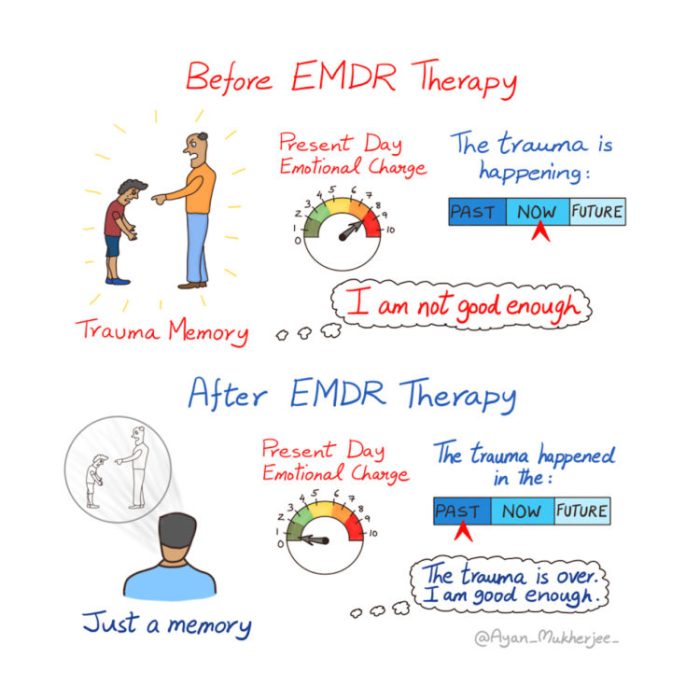
EMDR therapy for trauma offers a groundbreaking approach to healing from the lasting effects of distressing experiences. This innovative therapy utilizes eye movements and other bilateral stimulation to help process and reframe traumatic memories, leading to significant reductions in symptoms associated with PTSD and other trauma-related disorders. We’ll explore the core principles of EMDR, its effectiveness, and how to find a qualified therapist.
This guide delves into the science behind EMDR, examining the neurological mechanisms involved in its success. We’ll discuss various trauma types treatable with EMDR, compare it to other therapeutic methods, and address frequently asked questions. Through case studies and research findings, we aim to provide a clear understanding of this powerful therapeutic tool.
What is EMDR Therapy?
EMDR, or Eye Movement Desensitization and Reprocessing, is a psychotherapy treatment that helps people process traumatic memories and reduce their emotional impact. It’s based on the principle that unresolved traumatic experiences can get “stuck” in the brain, leading to ongoing distress. EMDR therapy facilitates the brain’s natural healing processes to resolve these stuck memories.EMDR therapy’s core principles involve the belief that the brain can process and heal from trauma through bilateral stimulation.
This stimulation, often involving eye movements, taps into the brain’s natural ability to process information and resolve disturbing memories. The process aims to reduce the intensity of negative emotions associated with the trauma and alter the way the memory is stored, leading to a decrease in symptoms.
Phases of EMDR Therapy
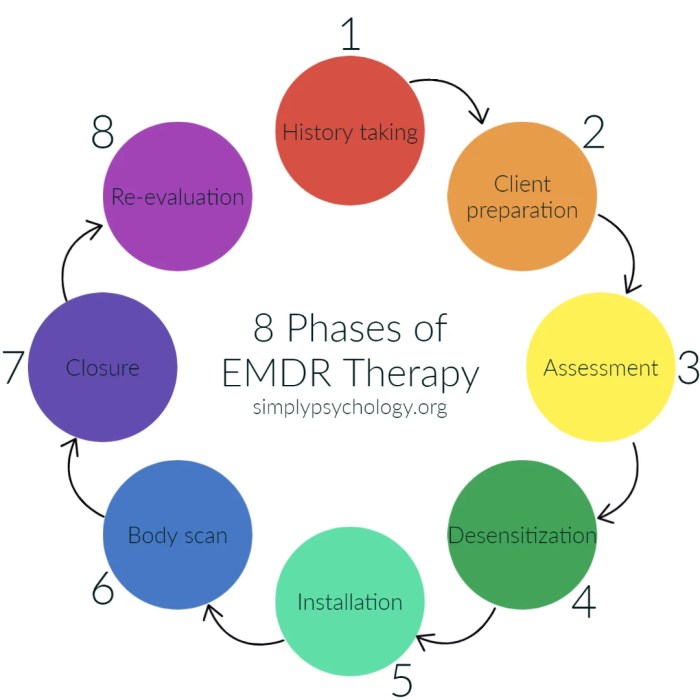
A typical EMDR therapy session unfolds in several phases. These phases are not always strictly linear, and the therapist may adjust the process based on the individual’s needs and progress. The phases typically include:
1. History Taking and Treatment Planning
The therapist gathers a detailed history of the client’s trauma and collaboratively develops a treatment plan. This includes identifying target memories, negative beliefs, and associated physical sensations and emotions.
2. Preparation
The client is prepared for the EMDR process. This might involve education about the therapy, relaxation techniques, and stabilization strategies to manage potential distress during processing.
3. Assessment
The therapist helps the client identify a specific traumatic memory to target. They assess the memory’s vividness, emotional intensity, and associated beliefs and bodily sensations. This is often rated using subjective scales.
4. Desensitization
Bilateral stimulation (eye movements, taps, or sounds) is introduced while the client focuses on the target memory and associated negative beliefs. This phase aims to reduce the emotional intensity of the memory.
5. Installation
The therapist helps the client install positive and adaptive beliefs to replace the negative ones associated with the trauma.
6. Body Scan
The client focuses on any remaining physical sensations related to the trauma.
7. Closure
The session ends with a review of the session and preparation for the next session.
8. Reevaluation
In subsequent sessions, the client reevaluates the target memory and its associated negative beliefs and physical sensations to assess progress. New targets may be identified as needed.
Types of Trauma Treated with EMDR
EMDR therapy has been shown to be effective for a wide range of trauma-related conditions. Examples include:* Post-Traumatic Stress Disorder (PTSD): This is perhaps the most common application of EMDR, effectively treating symptoms such as flashbacks, nightmares, avoidance, and hyperarousal.
Acute Stress Disorder
This involves immediate reactions to a traumatic event. EMDR can help reduce the severity and duration of symptoms.
Complex Trauma
This involves repeated or prolonged trauma, often occurring in childhood, such as abuse or neglect. EMDR can address the multifaceted impacts of complex trauma.
Anxiety Disorders
While not strictly trauma-related, anxiety disorders often have roots in past experiences. EMDR can help address underlying trauma contributing to anxiety.
Grief and Loss
While not always considered trauma, the intense emotional distress of grief can benefit from EMDR’s processing capabilities.
Comparison of EMDR with Other Trauma-Focused Therapies
| Therapy Type | Focus | Techniques | Strengths |
|---|---|---|---|
| EMDR | Processing traumatic memories through bilateral stimulation | Eye movements, taps, sounds; focus on target memories, negative beliefs, and associated physical sensations | Relatively rapid treatment, effective for PTSD and other trauma-related disorders |
| CBT (Cognitive Behavioral Therapy) | Identifying and changing maladaptive thoughts and behaviors | Cognitive restructuring, exposure therapy, behavioral experiments | Broad applicability, focus on present-day functioning |
| Trauma-Focused CBT | Combines CBT techniques with trauma-specific interventions | Psychoeducation about trauma, relaxation techniques, exposure therapy, cognitive processing | Addresses both cognitive and behavioral aspects of trauma |
How EMDR Therapy Works for Trauma
EMDR therapy is a widely used and effective treatment for trauma. It works by helping individuals process and reprocess traumatic memories, leading to a reduction in the distressing symptoms associated with those memories. This process involves a combination of bilateral stimulation (such as eye movements) and focused attention on the traumatic memory.The neurological mechanisms underlying EMDR’s effectiveness are complex and still being researched, but several theories exist.
One prominent theory suggests that EMDR facilitates adaptive information processing in the brain. Trauma can disrupt the brain’s natural ability to process information, leaving memories fragmented and emotionally charged. EMDR is believed to help the brain integrate these fragmented memories, reducing their emotional intensity and allowing for more adaptive coping mechanisms to develop. This integration is thought to occur through the activation and interaction of various brain regions involved in memory processing, emotion regulation, and attention.
The Role of Bilateral Stimulation in Processing Traumatic Memories
Bilateral stimulation, a core component of EMDR, involves the alternating stimulation of the left and right hemispheres of the brain. This can be achieved through eye movements, tapping, or auditory tones. The exact mechanism by which bilateral stimulation facilitates processing isn’t fully understood, but it’s hypothesized to enhance the brain’s ability to process information and reduce the intensity of emotional responses associated with traumatic memories.
Some researchers suggest that bilateral stimulation mimics the natural brain processes involved in REM sleep, which is associated with memory consolidation and emotional regulation. The rhythmic stimulation may help to interrupt the maladaptive neural pathways associated with trauma and promote the formation of new, more adaptive connections.
Case Studies Illustrating Successful EMDR Therapy Outcomes
EMDR has shown effectiveness across a range of trauma types. For instance, a study published in the Journal of Traumatic Stress showed significant reductions in PTSD symptoms among veterans with combat-related trauma after undergoing EMDR therapy. Another study demonstrated the efficacy of EMDR in treating individuals who experienced childhood sexual abuse, leading to improvements in anxiety, depression, and PTSD symptoms.
A third example involved a patient who experienced a severe car accident. Following EMDR therapy, this individual reported a significant decrease in intrusive thoughts, nightmares, and avoidance behaviors associated with the accident, allowing them to return to a more normal life. These are just a few examples; EMDR’s effectiveness has been demonstrated across a broad spectrum of trauma-related conditions.
Steps Involved in a Single EMDR Session
A typical EMDR session involves several distinct phases. It is crucial to remember that each session is tailored to the individual’s needs and progress.
| Phase | Description |
|---|---|
| Preparation | This initial phase focuses on building rapport with the therapist, establishing a treatment plan, and educating the client about the EMDR process. The therapist and client collaboratively identify a specific traumatic memory to target during the session. This involves assessing the memory’s intensity, associated beliefs, and current emotional impact. |
| Assessment | The therapist assesses the client’s subjective units of distress (SUDs) – a scale measuring the intensity of the negative emotions associated with the target memory – and their level of belief in negative thoughts associated with the memory. |
| Installation | The client focuses on the target memory and the associated negative thoughts while simultaneously receiving bilateral stimulation (eye movements, taps, or tones). The therapist guides the client’s attention, ensuring they remain focused on the memory and its emotional impact. |
| Desensitization | During this phase, the client continues to focus on the memory while experiencing bilateral stimulation. The therapist monitors the client’s responses and adjusts the stimulation as needed. The goal is to gradually reduce the intensity of the negative emotions associated with the memory. |
| Installation of Positive Cognition | Once the intensity of negative emotions has been significantly reduced, the therapist helps the client identify and install a more positive and adaptive belief about the trauma. This positive belief helps to replace the negative thoughts and beliefs associated with the traumatic memory. |
| Body Scan | The client performs a body scan to assess for any lingering physical sensations related to the trauma. This helps to ensure complete processing and integration of the memory. |
| Closure | The session concludes with a review of the progress made and a plan for the next session. The therapist may assign homework, such as journaling or relaxation exercises, to support the client’s progress between sessions. |
Effectiveness and Research on EMDR Therapy
EMDR therapy has garnered significant attention for its purported effectiveness in treating trauma-related disorders. A substantial body of peer-reviewed research exists, exploring its efficacy across various trauma types and comparing its outcomes to other established therapeutic approaches. This section summarizes key findings from this research, acknowledging both strengths and limitations.
EMDR Efficacy Across Trauma Types
Numerous studies have demonstrated EMDR’s effectiveness in reducing symptoms of post-traumatic stress disorder (PTSD) and other trauma-related conditions. Research consistently shows significant improvements in PTSD symptoms, such as intrusive thoughts, avoidance behaviors, negative cognitions, and hyperarousal, following EMDR treatment. The strength of these findings varies depending on the specific trauma type and the study design.
Comparison with Other Therapeutic Approaches
Meta-analyses comparing EMDR to other evidence-based treatments for PTSD, such as Cognitive Processing Therapy (CPT) and Prolonged Exposure (PE), often show comparable outcomes. While some studies suggest EMDR may offer faster symptom reduction in certain populations, the overall consensus points towards similar efficacy across these treatments. The choice of therapy often depends on factors such as patient preference, therapist expertise, and the specific nature of the trauma.
For example, some studies indicate EMDR might be particularly beneficial for individuals with more severe avoidance symptoms, while CPT might be more effective for individuals with prominent cognitive distortions.
Research Findings Categorized by Trauma Type
Research on EMDR efficacy is spread across various trauma types. While direct comparisons across studies are challenging due to variations in methodologies and participant characteristics, some general trends emerge:
- Childhood Trauma: Studies show EMDR to be effective in treating the lasting effects of childhood trauma, including PTSD, depression, and anxiety. Improvements in emotional regulation and self-esteem are often reported.
- Adult Trauma: EMDR has demonstrated significant efficacy in treating PTSD stemming from adult traumatic experiences, such as accidents, assault, natural disasters, and combat exposure. Symptom reduction is often observed across a range of PTSD symptom clusters.
- Complex Trauma: Research on EMDR’s effectiveness in treating complex trauma (prolonged or repeated trauma, often involving interpersonal betrayal) is more nuanced. While EMDR can be beneficial, it’s often used in conjunction with other therapeutic approaches, such as attachment-based therapy, to address the multifaceted nature of complex trauma. The integration of EMDR with other modalities is frequently reported as enhancing outcomes.
Limitations and Potential Drawbacks of EMDR Therapy
It’s crucial to acknowledge the limitations and potential drawbacks associated with EMDR therapy. While generally considered safe and well-tolerated, some individuals may experience temporary increases in anxiety or emotional distress during or immediately following sessions. A thorough understanding of these potential challenges is essential for effective clinical practice.
- Potential for temporary worsening of symptoms: Some individuals might experience a temporary increase in anxiety or emotional distress during or after EMDR sessions. This is generally considered a normal part of the process, but careful monitoring and management are essential.
- Not suitable for all individuals: EMDR may not be appropriate for individuals with certain conditions, such as severe psychosis or unstable dissociative states. A comprehensive assessment is necessary to determine suitability.
- Requires specialized training: Effective EMDR therapy requires specialized training and clinical expertise. Therapists must be adequately trained to administer the protocol correctly and manage potential challenges.
- Limited research on specific populations: While research supports EMDR’s efficacy across various trauma types, more research is needed on specific populations, such as children, older adults, and individuals with co-occurring disorders.
- Lack of standardized outcome measures: The absence of universally accepted outcome measures can make comparisons across studies challenging, hindering a complete understanding of EMDR’s overall efficacy.
Finding and Choosing an EMDR Therapist
Finding the right EMDR therapist is crucial for a successful therapeutic experience. The therapist’s expertise, experience, and the establishment of a strong therapeutic relationship are all vital components of effective EMDR treatment. A careful and informed approach to selecting a therapist will significantly impact your journey toward healing.
Locating Potential Therapists
Several avenues exist for identifying potential EMDR therapists. Online directories, such as those maintained by professional organizations like the EMDR International Association (EMDRIA), offer a searchable database of practitioners who have completed EMDR training and meet specific certification requirements. Referrals from your primary care physician, psychiatrist, or other mental health professionals can also be invaluable. Additionally, searching online using terms like “EMDR therapist [your city/region]” can yield relevant results.
Remember to verify the therapist’s credentials through independent channels.
Evaluating Therapist Credentials and Experience
It’s essential to thoroughly investigate a therapist’s qualifications before commencing treatment. Confirm that they are licensed or certified to practice in your area. Check their professional website or contact their office to ascertain their level of EMDR training and experience. Look for therapists who are EMDRIA-approved or hold similar certifications from reputable organizations. Consider the therapist’s experience treating trauma similar to your own.
For example, if you experienced childhood trauma, seeking a therapist with extensive experience in treating childhood trauma would be beneficial. The number of years of experience is less important than their demonstrated competency and successful treatment outcomes in cases similar to yours.
Assessing Therapist-Client Rapport
The therapeutic relationship is paramount in EMDR therapy. A strong rapport built on trust, empathy, and mutual respect is essential for successful treatment. Most therapists offer a brief consultation or initial meeting before committing to treatment. This initial session provides an opportunity to assess the therapist’s personality, communication style, and approach. Pay attention to how comfortable you feel discussing sensitive topics with them.
A good fit involves feeling understood, respected, and confident in the therapist’s ability to guide you through the process. If you don’t feel a connection, it’s perfectly acceptable to seek another therapist.
Preparing for the First EMDR Therapy Session
Before your first session, gather any relevant information that might be helpful to your therapist. This might include previous diagnoses, treatment history, a timeline of significant traumatic events, and a list of any medications you are currently taking. Consider journaling your thoughts and feelings leading up to the session. This can provide valuable insights for you and your therapist.
It’s also advisable to arrive a few minutes early to allow time to settle in and prepare mentally. Finally, be open and honest with your therapist about your concerns and expectations. Open communication is key to building a strong therapeutic alliance.
EMDR Therapy and Related Mental Health Concerns
EMDR therapy, while highly effective for trauma, often works alongside other mental health treatments to provide comprehensive care. Its efficacy extends beyond PTSD, proving beneficial in managing various co-occurring conditions and contributing to overall mental well-being. Understanding how EMDR integrates with other approaches is crucial for maximizing its therapeutic impact.EMDR Therapy’s Integration with Other Treatments and Co-occurring Conditions
EMDR Therapy and Medication
EMDR therapy can be effectively integrated with medication. For instance, individuals experiencing PTSD who also struggle with severe anxiety might benefit from taking an anti-anxiety medication alongside undergoing EMDR sessions. The medication can help manage acute symptoms like panic attacks, allowing the individual to engage more fully in the EMDR process. It’s important to note that the medication does not “cure” the trauma; rather, it creates a more stable environment for the therapeutic work of EMDR to occur.
The decision to use medication concurrently with EMDR is typically made collaboratively between the therapist, psychiatrist (if applicable), and the patient, considering individual needs and circumstances.
EMDR Therapy and Anxiety Disorders
Anxiety disorders frequently co-occur with trauma. EMDR’s effectiveness stems from its ability to process traumatic memories, thereby reducing the intensity of associated anxiety triggers. For example, a person with a phobia triggered by a past traumatic event might find their fear response significantly diminished after completing an EMDR protocol targeting that specific memory. The therapy helps reprocess the emotional charge connected to the trauma, leading to a decrease in overall anxiety levels and improved coping mechanisms.
EMDR Therapy and Depression
Depression is another common comorbidity with trauma. EMDR addresses the underlying traumatic experiences that may be contributing to the depressive symptoms. By processing these memories, EMDR can help individuals regain a sense of control, reduce feelings of hopelessness, and improve their overall mood. A person experiencing depression following a car accident, for example, might find their depressive symptoms lessen as they process the traumatic memories associated with the accident through EMDR.
This doesn’t imply a direct causal link between the trauma and depression in every instance, but it acknowledges that unresolved trauma can significantly exacerbate existing depressive symptoms.
EMDR Therapy and Substance Abuse
Substance abuse often serves as a coping mechanism for unresolved trauma. EMDR can help individuals address the underlying trauma that fuels their substance use. By processing traumatic memories, individuals may find they have less need to rely on substances for coping. For instance, someone using drugs to numb the emotional pain of childhood abuse might find, through EMDR, that they can manage their emotions more effectively without resorting to substance use.
However, it’s crucial to understand that EMDR is usually part of a broader treatment plan for substance abuse, often including other therapies and support groups.
EMDR Therapy and Stress Management
EMDR can be a valuable tool for managing stress and anxiety, even in the absence of a diagnosed trauma disorder. The techniques used in EMDR, such as bilateral stimulation, can help to regulate the nervous system and reduce feelings of overwhelm. This can be particularly helpful for individuals experiencing chronic stress related to work, relationships, or other life stressors.
The focus on present-moment awareness and self-soothing techniques incorporated within EMDR can also contribute to improved stress resilience.
EMDR Therapy and Depression Support Resources
EMDR therapy contributes to depression support by targeting the root causes of depressive symptoms. By helping individuals process traumatic experiences and develop more adaptive coping mechanisms, EMDR can significantly reduce the severity and frequency of depressive episodes. This makes it a valuable addition to other depression support resources such as medication, therapy, and support groups. It’s important to note that EMDR is not a standalone treatment for depression, but it can be a powerful tool when integrated into a comprehensive treatment plan.
Mindfulness, Resilience, and Self-Care in Conjunction with EMDR: EMDR Therapy For Trauma
EMDR therapy is a powerful tool for processing trauma, but its effectiveness is significantly enhanced when combined with practices that promote overall mental well-being. Mindfulness, resilience building, and consistent self-care are crucial components of a holistic approach to healing and recovery. These strategies not only complement the therapeutic process but also equip individuals with long-term coping mechanisms to navigate future challenges.Mindfulness practices, such as meditation and deep breathing exercises, help to regulate the nervous system and reduce stress responses.
This is particularly beneficial for individuals with trauma, who may experience heightened anxiety or hypervigilance. By cultivating a present-moment awareness, individuals can learn to observe their thoughts and feelings without judgment, reducing the power of intrusive memories and emotional reactivity. This fosters a sense of calm and control, creating a more stable foundation for EMDR processing.
Mindfulness Practices Complementing EMDR Therapy
Mindfulness cultivates a sense of self-awareness that is crucial for successful EMDR therapy. By learning to observe thoughts and feelings without judgment, individuals are better equipped to identify and process traumatic memories during EMDR sessions. Regular mindfulness practices, such as body scans or guided meditations, can help to reduce anxiety and improve focus, creating an optimal environment for EMDR processing.
The ability to stay grounded in the present moment is invaluable during EMDR, which often involves confronting difficult emotions and memories. This grounding helps prevent overwhelm and promotes a more effective therapeutic experience. For example, a person might practice a 5-minute body scan meditation before each EMDR session to center themselves and prepare for the work ahead.
Building Resilience in Trauma Recovery
Resilience is the ability to bounce back from adversity. For trauma survivors, building resilience is essential for long-term recovery and preventing future trauma. This involves developing coping skills, fostering a strong support system, and cultivating a positive self-image. EMDR helps to process past trauma, but building resilience equips individuals with the tools to manage future challenges and prevent retraumatization.
Activities such as engaging in hobbies, connecting with supportive individuals, and practicing self-compassion are vital for building resilience. For instance, someone might join a support group for trauma survivors to connect with others who understand their experiences and offer mutual support.
The Importance of Self-Care Strategies in Supporting Mental Health During and After EMDR, EMDR therapy for trauma
Self-care is not a luxury but a necessity, especially during and after trauma processing. Prioritizing self-care demonstrates self-compassion and helps to maintain emotional balance. It is a proactive approach to mental well-being, supporting the healing process and preventing relapse. Engaging in self-care activities provides a sense of agency and control, which is particularly important for individuals who may have felt powerless in the face of trauma.
Consistent self-care can significantly impact the effectiveness of EMDR therapy and long-term recovery.
Examples of Self-Care Activities for Daily Routine
A balanced approach to self-care involves various activities that nourish different aspects of well-being. This could include:
- Physical Self-Care: Regular exercise, healthy eating, sufficient sleep.
- Emotional Self-Care: Journaling, spending time in nature, engaging in creative activities.
- Social Self-Care: Connecting with supportive friends and family, joining a support group.
- Mental Self-Care: Mindfulness practices, learning relaxation techniques, engaging in hobbies.
- Spiritual Self-Care: Connecting with one’s values and beliefs, practicing gratitude.
Incorporating even a few of these activities into a daily routine can significantly improve mental well-being and enhance the effectiveness of EMDR therapy. For example, a person might start their day with a 10-minute meditation, go for a walk during their lunch break, and end their day with a relaxing bath.
Addressing Sleep Issues and Workplace Mental Health
Trauma significantly impacts sleep, often leading to insomnia, nightmares, and other sleep disturbances. The hyperarousal and intrusive thoughts characteristic of PTSD, for example, can make it extremely difficult to fall asleep and stay asleep. Conversely, poor sleep quality exacerbates the symptoms of trauma, creating a vicious cycle. EMDR therapy, by processing and reducing the intensity of traumatic memories, can help break this cycle and improve sleep patterns.Workplace stress and mental health significantly impact overall well-being, contributing to burnout, decreased productivity, and increased absenteeism.
The pressure to perform, demanding workloads, and difficult interpersonal relationships can create a toxic environment, leading to anxiety, depression, and even post-traumatic stress if severe workplace events occur, such as harassment, violence, or a major accident. This negative impact extends beyond the workplace, affecting personal relationships and overall life satisfaction.
EMDR Therapy’s Benefits in Addressing Workplace-Related Trauma
EMDR therapy can be highly effective in addressing trauma stemming from the workplace. By targeting the specific memories and beliefs associated with the traumatic event (e.g., a hostile work environment, a layoff causing significant financial hardship, or witnessing a workplace accident), EMDR helps individuals process these experiences and reduce their emotional intensity. This, in turn, can alleviate symptoms such as anxiety, panic attacks, nightmares, and intrusive thoughts related to the workplace, leading to improved mental health and overall well-being.
The therapy aims to help individuals develop healthier coping mechanisms and a more positive self-perception, enabling them to better manage stress and navigate future workplace challenges.
Strategies for Improving Sleep Hygiene and Managing Workplace Stress
Maintaining good sleep hygiene is crucial for managing stress and improving mental health. This involves establishing a consistent sleep schedule, creating a relaxing bedtime routine (e.g., taking a warm bath, reading a book), ensuring the bedroom is dark, quiet, and cool, and limiting screen time before bed. Regular physical activity, a balanced diet, and limiting caffeine and alcohol intake also contribute to better sleep.Managing workplace stress involves identifying stressors and implementing coping strategies.
This might include setting realistic boundaries, prioritizing tasks effectively, utilizing time management techniques, and practicing mindfulness or relaxation techniques such as deep breathing exercises throughout the day. Seeking support from colleagues, supervisors, or a mental health professional can also be beneficial. Furthermore, advocating for a healthier work environment, where stress is addressed proactively, can contribute significantly to the overall well-being of employees.
For example, a company might offer employee assistance programs (EAPs) or stress management workshops.
Overcoming Addictions and Personal Growth
EMDR therapy offers a powerful approach to overcoming addictions, particularly those rooted in trauma. By processing the traumatic memories associated with addictive behaviors, EMDR helps individuals break the cycle of addiction and fosters personal growth. This process involves identifying and addressing the underlying emotional pain that fuels the addiction, leading to healthier coping mechanisms and a greater sense of self-awareness.EMDR’s Role in Addiction RecoveryEMDR therapy isn’t a standalone treatment for addiction, but rather a valuable tool within a comprehensive treatment plan.
It effectively addresses the emotional and psychological components of addiction, often overlooked by other approaches. The process helps individuals to reprocess traumatic memories linked to substance abuse or other addictive behaviors, reducing their emotional intensity and power over the individual. This diminishes the urge to engage in self-destructive behaviors as a coping mechanism. For example, a person with a history of childhood trauma who developed an alcohol addiction might use EMDR to process the traumatic memories, lessening the emotional need to self-medicate with alcohol.
EMDR and Personal Growth Facilitation
EMDR therapy facilitates personal growth by helping individuals understand and process their past experiences. By reducing the impact of traumatic memories, EMDR creates space for self-reflection and the development of healthier coping strategies. This leads to increased self-awareness, improved emotional regulation, and a stronger sense of self. The process allows individuals to gain a new perspective on their past, fostering self-compassion and reducing feelings of shame or guilt that often accompany trauma and addiction.
This improved self-understanding is crucial for sustained recovery and overall personal growth.
Developing Coping Mechanisms for Triggers and Cravings
EMDR therapy equips individuals with effective coping mechanisms to manage triggers and cravings. Through the processing of traumatic memories, the emotional intensity associated with these triggers is significantly reduced. This makes it easier to navigate challenging situations without resorting to addictive behaviors. The therapy also helps individuals develop alternative coping strategies, such as mindfulness techniques, relaxation exercises, and healthy communication skills.
For instance, a person struggling with food addiction might use EMDR to process past experiences of emotional neglect, thereby reducing the urge to use food as a coping mechanism and instead develop healthier ways to manage their emotions.
Examples of Personal Growth Goals Achieved Through EMDR Therapy
Several personal growth goals can be achieved through EMDR therapy in the context of addiction recovery. These goals often involve improved self-esteem, enhanced relationships, increased self-compassion, and the development of a stronger sense of purpose. Specific examples include:
- Developing healthier relationships with family and friends.
- Identifying and pursuing personal passions and interests.
- Building a stronger sense of self-worth and confidence.
- Improving communication skills and conflict resolution abilities.
- Developing a greater capacity for self-care and emotional regulation.
These achievements are not merely abstract concepts but represent tangible changes in individuals’ lives, leading to greater well-being and a more fulfilling existence. The improved emotional regulation and reduced impact of past trauma allows individuals to actively participate in their personal growth and build a more positive future.
EMDR therapy offers a powerful pathway to healing from trauma, providing individuals with the tools to reclaim their lives and move forward. By understanding the process, finding a qualified therapist, and incorporating self-care strategies, individuals can effectively navigate the journey toward recovery. The integration of EMDR with other therapeutic approaches and self-care practices further enhances its effectiveness, offering a holistic approach to well-being.
Answers to Common Questions
Is EMDR therapy painful or uncomfortable?
While processing traumatic memories can be emotionally challenging, EMDR therapy is designed to be a safe and supportive process. The therapist works closely with the client to manage discomfort and ensure their well-being throughout the sessions.
How many EMDR sessions are typically needed?
The number of sessions varies greatly depending on the individual’s needs and the severity of their trauma. Some individuals may see significant improvement within a few sessions, while others may require more extensive treatment.
Is EMDR therapy suitable for all types of trauma?
EMDR has proven effective for a wide range of trauma types, including PTSD, anxiety disorders, and other trauma-related conditions. However, its suitability for specific cases should be assessed by a qualified professional.
Can EMDR therapy be combined with other therapies?
Yes, EMDR is often integrated with other therapeutic approaches, such as CBT or medication, to provide a comprehensive treatment plan tailored to the individual’s needs.


