Mental Health Awareness for Minorities
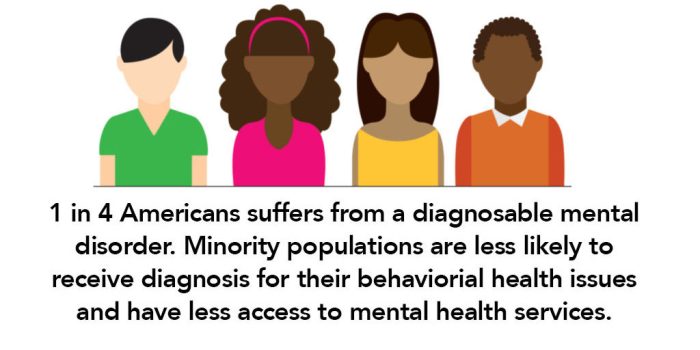
Mental health awareness for minorities is crucial given the unique challenges faced by these communities. Historical and societal factors, including systemic racism, discrimination, and cultural stigma, significantly impact mental well-being. Understanding these disparities is paramount to developing effective strategies for improving access to culturally competent care and promoting mental health equity.
This exploration delves into the multifaceted issues surrounding mental health within minority populations, examining barriers to care, effective coping mechanisms, available resources, and the vital role of advocacy and community support. We will consider the specific needs and experiences of diverse minority groups, highlighting the importance of culturally sensitive approaches to treatment and prevention.
Unique Challenges Faced by Minorities Regarding Mental Health
Minorities often experience disproportionately higher rates of mental health disorders compared to the majority population. This disparity isn’t simply due to chance; it’s a complex issue rooted in historical injustices, ongoing systemic oppression, and deeply ingrained cultural factors. Understanding these interwoven challenges is crucial for developing effective and culturally sensitive mental health interventions.
Historical and societal factors have significantly contributed to the mental health disparities seen among minority groups. Generations of systemic racism, discrimination, and marginalization have created environments rife with stress, trauma, and limited access to resources. The legacy of slavery, colonialism, and other forms of oppression continues to manifest in present-day inequalities, impacting everything from economic stability and housing security to educational opportunities and exposure to violence.
These factors create a cumulative burden that negatively affects mental well-being.
Impact of Systemic Racism, Discrimination, and Cultural Stigma
Systemic racism, discrimination, and cultural stigma act as significant barriers to mental healthcare access and positive mental health outcomes for minorities. Experiences of microaggressions, racial profiling, and overt discrimination can lead to chronic stress, anxiety, depression, and post-traumatic stress disorder (PTSD). The constant vigilance required to navigate a prejudiced society takes a significant toll on mental resources. Furthermore, cultural stigma surrounding mental illness can prevent individuals from seeking help, fearing judgment, shame, or ostracization within their communities.
This stigma is often compounded by a lack of culturally competent mental health services, making it difficult for individuals to find providers who understand and respect their unique cultural backgrounds and experiences.
Cultural Beliefs and Practices Influencing Help-Seeking Behaviors
Cultural beliefs and practices play a substantial role in shaping help-seeking behaviors within minority communities. In some cultures, mental illness may be attributed to supernatural causes, leading to reliance on traditional healing practices rather than Western-style mental healthcare. While these traditional practices can be valuable, they may not always address the underlying clinical issues. Furthermore, language barriers, mistrust of the healthcare system due to historical injustices, and cultural differences in communication styles can hinder effective engagement with mental health services.
For example, a reluctance to discuss personal problems with outsiders, common in some collectivist cultures, might prevent individuals from seeking professional help.
Comparison of Mental Health Challenges Across Minority Groups
| Minority Group | Specific Challenges | Contributing Factors | Impact on Mental Well-being |
|---|---|---|---|
| African Americans | Higher rates of PTSD, depression, and anxiety; limited access to care; mistrust of healthcare system. | Systemic racism, historical trauma, discrimination, economic hardship. | Increased risk of chronic mental health conditions and reduced life expectancy. |
| Latinx Individuals | Higher rates of depression and anxiety; cultural stigma surrounding mental illness; language barriers. | Immigration stress, discrimination, acculturation challenges, limited access to culturally competent care. | Increased risk of mental health disorders and difficulty accessing appropriate treatment. |
| Native Americans | High rates of suicide, substance abuse, and PTSD; historical trauma; cultural loss. | Historical trauma from colonization, poverty, lack of access to culturally appropriate mental health services. | Significant mental health burden and disproportionately high rates of mortality. |
| LGBTQ+ Individuals | Higher rates of depression, anxiety, and suicide attempts; discrimination and stigma; lack of affirming care. | Societal stigma, discrimination, lack of acceptance, minority stress. | Increased risk of mental health problems and lower quality of life. |
Access to Mental Healthcare for Minorities: Mental Health Awareness For Minorities
Access to mental healthcare is a critical determinant of overall well-being, yet significant disparities exist across different population groups. Minority communities often face a complex web of barriers that hinder their ability to seek and receive appropriate mental health services. These barriers significantly impact their mental health outcomes and contribute to existing health inequities. Understanding these barriers and implementing effective strategies to overcome them is crucial for promoting health equity and improving the lives of minority individuals.Minority populations experience disproportionately higher rates of mental health conditions yet utilize mental healthcare services at lower rates than their non-minority counterparts.
This disparity stems from a confluence of factors, including financial constraints, geographical limitations, language barriers, and cultural stigma. These barriers are interconnected and often exacerbate each other, creating a formidable obstacle to accessing care.
Financial Constraints and Access to Mental Healthcare
The high cost of mental healthcare services presents a major barrier for many minority individuals, particularly those from low-income backgrounds. Many lack adequate health insurance coverage or have high deductibles and co-pays that make accessing treatment financially prohibitive. This financial burden often forces individuals to forgo necessary treatment or delay seeking help until their condition worsens, leading to poorer outcomes.
For example, a single mother working a minimum-wage job might be unable to afford therapy sessions, even with insurance, due to high co-pays and transportation costs. This financial barrier is particularly acute in communities with limited access to affordable mental health services.
Geographical Limitations and Access to Mental Healthcare
Geographical location significantly influences access to mental health services. Many minority communities, particularly those in rural or underserved areas, lack sufficient mental health providers. Long distances to healthcare facilities, coupled with limited transportation options, create significant barriers for individuals seeking care. This geographical disparity often results in individuals going without necessary treatment, or having to travel extensively and incur significant expenses for even basic mental healthcare appointments.
This situation is particularly challenging for individuals with severe mental illness who require frequent and consistent care.
Language Barriers and Access to Mental Healthcare
Language barriers present another significant challenge to accessing mental healthcare for minority populations. Many individuals may not speak English fluently or at all, creating communication difficulties with mental health professionals who do not speak their native language. This lack of linguistic congruence can hinder the therapeutic relationship, impede accurate diagnosis, and limit the effectiveness of treatment. The absence of interpreters or culturally appropriate translation services further exacerbates these challenges.
For instance, a Spanish-speaking immigrant experiencing anxiety might struggle to articulate their feelings and needs to an English-speaking therapist, even with a translator who lacks cultural sensitivity.
Culturally Competent Mental Health Professionals
The importance of culturally competent mental health professionals cannot be overstated. Culturally competent care involves understanding and respecting the cultural values, beliefs, and practices of diverse populations. Professionals who lack cultural competency may misinterpret behaviors, apply inappropriate treatment approaches, and inadvertently create barriers to care. For example, a therapist unfamiliar with the cultural nuances of a specific minority group might misinterpret silence during a session as disinterest, rather than a culturally appropriate response to a sensitive topic.
Investing in training programs that equip mental health professionals with the necessary skills to provide culturally sensitive care is crucial for improving access and outcomes.
Strategies for Improving Access to Culturally Sensitive Mental Health Services
Improving access requires a multi-pronged approach. This includes expanding insurance coverage to ensure affordable access to care, increasing the number of mental health professionals in underserved areas, and promoting the development of culturally sensitive mental health services. This could involve telehealth initiatives to reach geographically isolated communities, the development of multilingual resources, and community-based mental health programs that are tailored to the specific needs of minority populations.
Furthermore, increased investment in research to understand the unique mental health needs of minority communities is essential for developing targeted interventions and improving service delivery.
Program to Increase Outreach and Engagement within Minority Communities
A comprehensive outreach program should be developed to engage minority communities and raise awareness about available mental health resources. This program would utilize culturally appropriate communication channels, such as community events, faith-based organizations, and trusted community leaders, to disseminate information and reduce stigma. The program should also focus on providing education about mental health conditions, available services, and how to access care.
Crucially, the program would incorporate feedback from the community to ensure its effectiveness and relevance. Building trust and fostering strong relationships with community members is paramount for successful outreach and engagement. This program might include workshops led by culturally competent professionals, support groups tailored to specific minority groups, and partnerships with community organizations already trusted within these populations.
Depression Support Resources for Minorities
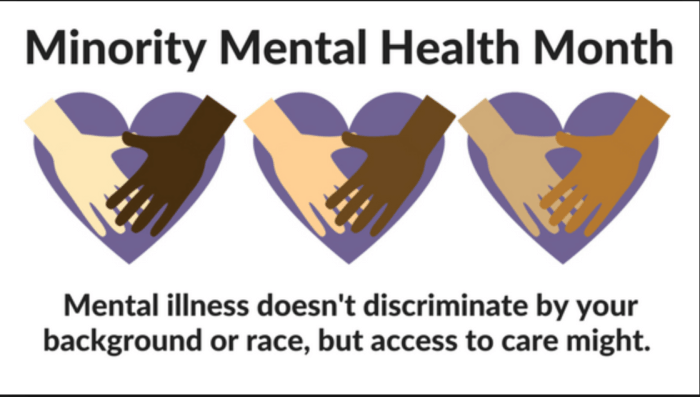
Accessing adequate mental health support can be particularly challenging for minority communities due to a complex interplay of factors including systemic barriers, cultural stigma, and a lack of culturally competent services. This section explores the vital resources available to help address depression within these communities. Understanding and utilizing these resources is crucial for improving mental well-being and promoting overall health equity.
Effective depression support for minorities requires a multifaceted approach that addresses both the individual’s needs and the broader systemic issues contributing to their distress. This includes culturally sensitive interventions, accessible services, and the engagement of community leaders and faith-based organizations.
Culturally Relevant Support Groups and Peer-to-Peer Networks
Culturally relevant support groups offer a safe and understanding space for individuals to share their experiences, connect with others facing similar challenges, and learn coping mechanisms within a familiar cultural context. These groups are led by trained professionals who understand the unique cultural nuances and potential barriers faced by minority populations. Peer-to-peer networks, often operating online or within community centers, provide additional support and a sense of community, fostering a sense of belonging and reducing feelings of isolation.
The shared experience within these networks can be incredibly powerful in validating feelings and promoting healing.
The Role of Faith-Based Organizations and Community Leaders
Faith-based organizations and community leaders play a significant role in providing depression support within minority communities. Many individuals within these communities find comfort and guidance in their faith, and religious leaders can be trusted sources of support and referral to appropriate mental health services. These organizations often offer counseling services, support groups, and educational programs that are tailored to the specific cultural and religious beliefs of the community.
Community leaders, such as elders or respected figures, can also play a crucial role in reducing stigma, promoting help-seeking behaviors, and connecting individuals with needed resources. Their influence and trust within the community can significantly impact the willingness of individuals to seek help.
Resource Guide for Minority Populations Experiencing Depression
The following is a partial list of organizations and hotlines that specifically serve minority populations experiencing depression. It’s important to note that this is not an exhaustive list, and the availability of services may vary by location. It is recommended to conduct further research to identify resources specific to your community and needs.
- The National Alliance on Mental Illness (NAMI): Offers support groups and resources for various mental health conditions, including depression, with a focus on inclusivity and cultural sensitivity. They provide information and referrals to local services.
- The Trevor Project: Provides crisis intervention and suicide prevention services specifically for LGBTQ young people. They offer a 24/7 hotline and online chat.
- The Jed Foundation: Focuses on protecting emotional health and preventing suicide for teens and young adults. They offer resources and programs tailored to different communities and cultural contexts.
- MentalHealth.gov: A website run by the Substance Abuse and Mental Health Services Administration (SAMHSA) offering a wealth of information, resources, and a national helpline for individuals struggling with mental health issues. They have multilingual resources available.
Mental Health Advocacy within Minority Communities
Advocacy plays a crucial role in dismantling systemic barriers and addressing the unique mental health challenges faced by minority groups. Effective advocacy necessitates a multifaceted approach that combines awareness campaigns, community engagement, and policy changes to foster a more inclusive and supportive environment for mental well-being.Effective advocacy strategies are essential to bridging the gap in mental healthcare access and reducing stigma within minority communities.
These strategies aim to empower individuals, promote understanding, and ultimately improve mental health outcomes.
Strategies for Raising Awareness and Promoting Understanding
Raising awareness and fostering understanding of mental health issues within minority communities requires a multi-pronged approach. This includes leveraging culturally sensitive communication channels, partnering with community leaders and organizations, and utilizing storytelling to personalize experiences and break down stigma. For example, a campaign might utilize social media platforms popular within a specific community, featuring testimonials from community members who have successfully navigated mental health challenges.
Educational workshops and presentations delivered in community centers or places of worship, tailored to the specific cultural context, can significantly increase understanding and reduce misconceptions about mental illness. Collaborating with trusted community figures, such as religious leaders or elders, can also build trust and facilitate open conversations about mental health.
The Importance of Community-Based Initiatives and Grassroots Movements, Mental health awareness for minorities
Community-based initiatives and grassroots movements are vital for effective mental health advocacy within minority communities. These initiatives possess the unique ability to connect directly with individuals and address their specific needs and cultural contexts. For instance, a grassroots organization might establish peer support groups, offering a safe and understanding space for individuals to share their experiences and provide mutual support.
These initiatives also serve as valuable platforms for community members to voice their concerns and advocate for policy changes at a local and national level. The direct involvement of community members in shaping and implementing these initiatives fosters a sense of ownership and increases the likelihood of sustained impact.
A Campaign to Promote Mental Health Awareness and Reduce Stigma within the Latinx Community
This campaign, titled ” Salud Mental: Una Conversación Abierta” (Mental Health: An Open Conversation), will focus on the Latinx community. It will utilize a multi-channel approach including radio advertisements in Spanish, social media campaigns using popular platforms within the community (e.g., Instagram, WhatsApp), and community events featuring culturally relevant activities such as storytelling and traditional dance. The campaign will feature testimonials from Latinx individuals sharing their experiences with mental health challenges and recovery, highlighting the importance of seeking help and dispelling myths surrounding mental illness within the culture.
Partnerships will be established with local community centers, churches, and schools to disseminate information and provide access to mental health resources. The campaign will also advocate for increased access to culturally competent mental health services, including bilingual therapists and culturally sensitive treatment approaches. The visual elements of the campaign might include vibrant, optimistic imagery reflecting the richness of Latinx culture, conveying a message of hope and resilience.
The campaign’s slogan, ” Tu salud mental importa” (Your mental health matters), will be prominently featured throughout all campaign materials.
Therapy and Counseling Options Tailored to Minorities
Accessing mental healthcare that truly understands and addresses the unique experiences of minority groups is crucial for effective treatment. Culturally competent therapy acknowledges the impact of social, cultural, and historical factors on mental well-being, leading to improved outcomes and a stronger therapeutic alliance.Therapy tailored to minorities recognizes that individuals from marginalized groups often face systemic barriers and unique stressors that impact their mental health.
These stressors may include discrimination, microaggressions, historical trauma, and limited access to resources. Addressing these factors within the therapeutic framework is essential for effective treatment.
Benefits of Culturally Competent Therapists
Seeking therapy from a culturally competent professional offers several significant advantages. These therapists possess a deep understanding of the client’s cultural background, including their values, beliefs, communication styles, and family dynamics. This understanding allows for a more empathetic and effective therapeutic relationship, fostering trust and facilitating open communication. Culturally competent therapists can also adapt their therapeutic techniques to better suit the client’s needs and preferences, resulting in improved treatment outcomes and a greater sense of empowerment for the client.
For example, a therapist working with a client from a collectivist culture might incorporate family members into the therapy process, while a therapist working with a client who has experienced racial trauma might utilize culturally specific interventions to address the impact of systemic racism.
Comparison of Therapeutic Approaches for Minority Populations
Various therapeutic approaches can be effective for minority populations, but their application must be culturally sensitive. Cognitive Behavioral Therapy (CBT) remains a popular choice, but its implementation should consider cultural norms and beliefs. For instance, some cultures may emphasize emotional expression differently than others, requiring the therapist to adjust their approach accordingly. Similarly, mindfulness-based therapies can be adapted to resonate with diverse cultural values.
Narrative therapy, which focuses on the client’s story and its impact on their well-being, can be particularly effective in addressing historical trauma and systemic oppression experienced by minority groups. The choice of therapeutic approach should be tailored to the individual client’s needs and preferences, always prioritizing cultural sensitivity.
Building Trust and Rapport with Diverse Clients
Building trust and rapport is paramount in any therapeutic relationship, but it takes on heightened significance when working with clients from diverse cultural backgrounds. Active listening, demonstrating empathy, and validating the client’s experiences are crucial first steps. Therapists should actively seek to understand their client’s worldview and avoid imposing their own biases or assumptions. This involves creating a safe and non-judgmental space where the client feels comfortable expressing themselves freely.
Demonstrating cultural humility – acknowledging the limits of one’s own cultural understanding and a willingness to learn – is also essential. Furthermore, incorporating culturally relevant examples and metaphors into therapy can help bridge cultural gaps and improve communication.
Examples of Culturally Sensitive Therapeutic Interventions
Culturally sensitive interventions might include incorporating traditional healing practices alongside Western therapeutic techniques. For example, incorporating elements of indigenous healing practices for clients from First Nations communities, or acknowledging the role of spirituality in the client’s life for those from religious communities. Another example would be adapting communication styles to match the client’s preferred mode of expression. Some clients may prefer direct communication, while others may favor a more indirect approach.
A culturally competent therapist will adjust their communication style to facilitate open dialogue. Finally, addressing systemic oppression and its impact on the client’s mental health is crucial. This might involve exploring the client’s experiences with discrimination and developing coping mechanisms to address the resulting stress and trauma.
Building Resilience within Minority Communities
Resilience, the ability to bounce back from adversity, is crucial for the well-being of all individuals, but it takes on a particular significance for minority communities who often face systemic challenges and discrimination. Building resilience within these communities requires understanding the unique factors that contribute to their strength and developing targeted strategies to foster further growth and empowerment. This involves acknowledging the historical and ongoing trauma faced by these groups while simultaneously highlighting the remarkable capacity for adaptation and perseverance they consistently demonstrate.
Factors contributing to resilience within minority communities are multifaceted and interconnected. Strong family and community ties provide crucial social support networks, offering emotional sustenance and practical assistance during difficult times. Shared cultural values and traditions often emphasize perseverance, collective action, and a sense of shared identity, which can serve as powerful buffers against adversity. Spiritual and religious beliefs also play a significant role, providing meaning, hope, and a framework for coping with hardship.
Furthermore, the presence of strong role models and mentors within the community can inspire and guide younger generations, fostering a sense of possibility and agency.
Strategies for Building Resilience
Building resilience requires a multi-pronged approach that addresses both individual and community-level needs. Individual strategies include developing coping mechanisms such as mindfulness practices, stress management techniques, and seeking professional support when needed. Community-level strategies focus on creating safe and supportive environments, promoting access to resources, and advocating for policy changes that address systemic inequalities. This includes empowering community leaders and fostering collaboration between community organizations and mental health professionals.
Examples of Successful Resilience-Building Programs
Several successful programs demonstrate the effectiveness of targeted interventions. For example, culturally adapted therapy programs that incorporate traditional healing practices have proven beneficial in addressing the unique mental health needs of specific minority groups. Community-based initiatives that focus on skill-building, leadership development, and economic empowerment can significantly enhance resilience by providing individuals with the tools and resources they need to navigate challenges and thrive.
Mentorship programs that pair young people with successful adults from similar backgrounds can offer valuable guidance and support, fostering a sense of belonging and hope. One successful example could be a program that pairs at-risk youth with successful entrepreneurs from their ethnic background, providing mentorship and business skills training.
Resources and Activities Promoting Resilience and Self-Care
Developing a strong foundation of self-care and resilience requires consistent effort. The following resources and activities can be beneficial:
The following list Artikels practical steps individuals and communities can take to promote resilience and self-care:
- Mindfulness and meditation practices: Regular mindfulness exercises can help individuals manage stress and cultivate a sense of inner peace. Guided meditations tailored to specific cultural backgrounds can enhance their effectiveness.
- Connecting with supportive social networks: Spending time with loved ones, participating in community events, and engaging in activities that foster a sense of belonging are crucial for emotional well-being.
- Engaging in physical activity: Exercise releases endorphins, improves mood, and reduces stress. Finding activities that are enjoyable and culturally relevant can increase adherence.
- Seeking professional support: Therapists and counselors who understand the unique challenges faced by minority communities can provide valuable support and guidance.
- Accessing community resources: Utilizing available resources such as support groups, workshops, and educational programs can empower individuals and strengthen communities.
- Practicing self-compassion: Treating oneself with kindness and understanding, particularly during difficult times, is essential for building resilience.
- Setting realistic goals and celebrating achievements: Breaking down large goals into smaller, manageable steps can foster a sense of accomplishment and motivation.
- Learning stress management techniques: Developing effective coping mechanisms for managing stress, such as deep breathing exercises or progressive muscle relaxation, can be highly beneficial.
Sleep and Mental Health in Minority Populations
Insufficient sleep significantly impacts mental well-being, and this connection is particularly pronounced within minority communities. Experiencing disparities in access to resources and facing systemic challenges often exacerbates existing mental health vulnerabilities, leading to poorer sleep quality and increased risk of mental health issues. Understanding this intricate relationship is crucial for developing effective interventions and support systems.Sleep disturbances and mental health conditions frequently coexist and influence one another.
For instance, anxiety and depression can disrupt sleep patterns, leading to insomnia or hypersomnia. Conversely, chronic sleep deprivation can worsen pre-existing mental health conditions or even trigger new ones. This cyclical relationship is particularly concerning for minority populations who often face additional stressors that contribute to sleep problems.
Factors Contributing to Sleep Disturbances Among Minorities
Several interconnected factors contribute to sleep disturbances within minority communities. Chronic stress stemming from socioeconomic disparities, discrimination, and systemic racism significantly impacts sleep quality. For example, the constant worry about financial instability, job security, or potential discrimination can lead to heightened anxiety and difficulty falling asleep or staying asleep. Furthermore, environmental factors such as noise pollution, overcrowding, and lack of access to green spaces in underserved neighborhoods can also negatively affect sleep.
These environmental stressors often disproportionately impact minority communities, creating a cumulative effect on their sleep health. Exposure to violence or trauma, which is unfortunately more prevalent in certain minority communities, also contributes to sleep difficulties. Finally, limited access to healthcare, including mental health services, further complicates the issue, preventing early intervention and management of sleep disorders.
Recommendations for Improving Sleep Hygiene
Promoting better sleep hygiene is essential for improving mental well-being within minority communities. This involves adopting healthy sleep habits and creating a supportive sleep environment. Prioritizing stress management techniques such as mindfulness meditation, yoga, or deep breathing exercises can significantly improve sleep quality. Regular physical activity, ideally during daylight hours, can promote better sleep-wake cycles. Creating a relaxing bedtime routine that involves disconnecting from electronic devices an hour before bed and engaging in calming activities, such as reading or taking a warm bath, can also be beneficial.
Ensuring a comfortable sleep environment, including a dark, quiet, and cool bedroom, is equally important. Seeking professional help from healthcare providers or mental health professionals is crucial for addressing underlying mental health conditions that may contribute to sleep disturbances. Community-based programs offering education on sleep hygiene and access to mental health services tailored to the specific needs of minority populations can play a significant role in improving sleep and mental health outcomes.
Effective Sleep Strategies and Their Benefits for Mental Health
| Sleep Strategy | Mental Health Benefit | Implementation | Potential Challenges |
|---|---|---|---|
| Regular Sleep Schedule | Improved mood regulation, reduced anxiety | Maintain consistent sleep and wake times, even on weekends | Difficulty adjusting to a new schedule, potential for sleep inertia |
| Cognitive Behavioral Therapy for Insomnia (CBT-I) | Addresses underlying thoughts and behaviors that contribute to insomnia | Working with a therapist to identify and modify sleep-related behaviors and thoughts | Requires commitment and time, may not be readily accessible to all |
| Mindfulness and Relaxation Techniques | Reduced stress and anxiety, improved sleep quality | Practicing mindfulness meditation, deep breathing exercises, or yoga before bed | Requires consistent practice, may require initial guidance from a professional |
| Creating a Relaxing Sleep Environment | Improved sleep quality, reduced stress | Ensuring a dark, quiet, and cool bedroom; using comfortable bedding | Environmental factors may be difficult to control, particularly in overcrowded or noisy living situations |
Ultimately, fostering mental health awareness within minority communities requires a multi-pronged approach. This includes addressing systemic inequalities, promoting culturally competent care, building strong community support networks, and advocating for policies that promote mental health equity. By working collaboratively and prioritizing inclusivity, we can create a society where everyone has access to the mental health support they need to thrive.
FAQ Resource
What are some common misconceptions about mental illness in minority communities?
Common misconceptions include the belief that mental illness is less prevalent in certain minority groups, or that cultural practices are inherently incompatible with mental health treatment. These misconceptions hinder help-seeking behavior and effective intervention.
How can I support a friend or family member from a minority group struggling with their mental health?
Listen empathetically, validate their experiences, offer practical support, and encourage them to seek professional help. Be mindful of cultural sensitivities and avoid making assumptions. Research resources and support groups specific to their cultural background.
Where can I find culturally competent mental health professionals?
Many organizations maintain directories of culturally competent providers. You can also search online directories and ask for recommendations from community leaders or healthcare providers.


