How to Deal with Social Anxiety
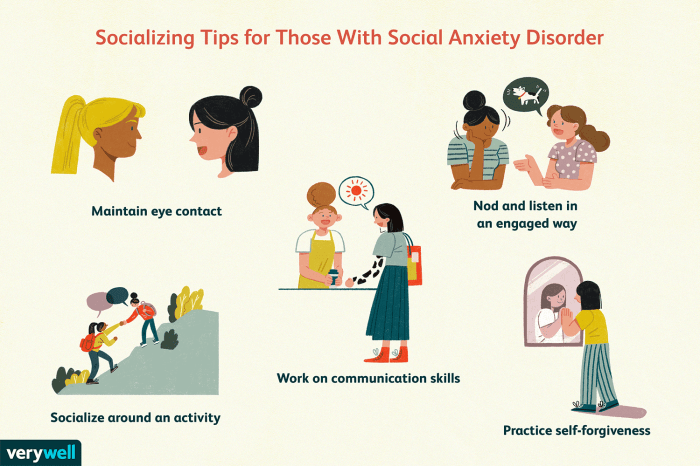
How to deal with social anxiety is a question many grapple with. Social anxiety, a pervasive fear of social situations, significantly impacts daily life, affecting relationships, work, and overall well-being. This guide explores the nature of social anxiety, offering practical strategies for coping, managing stress, and seeking professional help when needed. We’ll examine techniques for overcoming negative thought patterns, building resilience, and fostering self-compassion to navigate social interactions with greater ease and confidence.
Understanding the nuances between shyness and social anxiety is crucial. While shyness is a common personality trait, social anxiety is a diagnosable disorder characterized by intense fear and avoidance of social situations. This guide provides a clear distinction between the two, outlining the symptoms, triggers, and the profound impact social anxiety can have on a person’s life. We will delve into effective coping mechanisms, including relaxation techniques, mindfulness practices, and cognitive behavioral therapy (CBT), equipping readers with the tools to manage their anxiety and lead more fulfilling lives.
Stress and Anxiety Management Techniques
Managing stress and anxiety is crucial for overall well-being. Effective techniques can significantly improve your quality of life by equipping you with tools to cope with challenging situations and promote a sense of calm. This section explores several evidence-based strategies to help you better manage stress and anxiety.
Relaxation Techniques: Deep Breathing and Progressive Muscle Relaxation
Deep breathing exercises involve consciously slowing and deepening your breaths. This activates the parasympathetic nervous system, counteracting the “fight-or-flight” response associated with stress and anxiety. A simple technique is to inhale deeply through your nose, hold for a few seconds, and exhale slowly through your mouth. Repeat this several times, focusing on the sensation of your breath. Progressive muscle relaxation involves systematically tensing and releasing different muscle groups in your body.
Starting with your toes, tense a muscle group for a few seconds, then release, noticing the contrast between tension and relaxation. Proceed through your body, group by group, until you reach your head. This process helps release physical tension often associated with stress and anxiety. Regular practice of both deep breathing and progressive muscle relaxation can significantly reduce stress levels and improve overall relaxation.
Mindfulness Meditation for Anxiety Reduction
Mindfulness meditation involves focusing on the present moment without judgment. This practice helps to interrupt the cycle of anxious thoughts and worries that often contribute to anxiety. By focusing on your breath, body sensations, or sounds, you train your mind to observe thoughts and feelings without getting carried away by them. Regular mindfulness meditation can increase self-awareness, emotional regulation, and reduce reactivity to stressful situations.
Guided meditations, readily available through apps or online resources, can be particularly helpful for beginners. Even short, 5-10 minute sessions can be beneficial.
Comparison of Stress Management Techniques: Yoga and Tai Chi
Yoga and Tai Chi are mind-body practices that combine physical postures, breathing techniques, and meditation. Both are effective in reducing stress and anxiety. Yoga emphasizes physical postures (asanas) and breathing exercises (pranayama) to increase flexibility, strength, and mindfulness. Tai Chi, a gentler practice, focuses on slow, flowing movements and deep breathing to promote relaxation and balance. While both practices share similarities in their emphasis on mindfulness and breathwork, yoga often involves more vigorous physical activity than Tai Chi.
The choice between them depends on individual preferences and physical capabilities.
Resources for Learning Stress Management Techniques
Many resources are available to learn stress management techniques. These include:
- Apps: Numerous apps offer guided meditations, breathing exercises, and mindfulness practices (e.g., Calm, Headspace).
- Online Courses: Many universities and organizations offer online courses on stress management and mindfulness.
- Books: Numerous books provide detailed instructions and guidance on various stress management techniques.
- Local Workshops and Classes: Check your community for yoga, Tai Chi, or mindfulness classes.
- Therapists and Counselors: Mental health professionals can provide personalized guidance and support in developing effective stress management strategies.
Regular Exercise for Stress and Anxiety Alleviation
Regular physical activity is a highly effective way to alleviate stress and anxiety. Exercise releases endorphins, which have mood-boosting effects. It also helps to improve sleep, reduce muscle tension, and improve overall physical health, all of which contribute to better stress management. The type of exercise is less important than consistency. Finding an activity you enjoy, whether it’s walking, running, swimming, or team sports, is key to maintaining a regular exercise routine.
Aim for at least 30 minutes of moderate-intensity exercise most days of the week. Even short bursts of activity throughout the day can be beneficial. For example, a brisk 10-minute walk during your lunch break can significantly improve your mood and reduce stress levels.
Depression Support and Resources

Depression is a serious mental health condition that affects millions worldwide. It’s characterized by persistent sadness, loss of interest in activities, and a range of other symptoms that significantly impact daily life. Recognizing these symptoms and accessing appropriate support is crucial for recovery. This section provides information on identifying depression, finding support, and seeking professional help.
Common Signs and Symptoms of Depression
Depression manifests differently in individuals, but common signs include persistent sadness or low mood, loss of interest or pleasure in activities once enjoyed (anhedonia), changes in appetite or weight (either significant increase or decrease), sleep disturbances (insomnia or hypersomnia), fatigue or loss of energy, feelings of worthlessness or excessive guilt, difficulty concentrating, indecisiveness, and recurrent thoughts of death or suicide.
The severity and duration of these symptoms vary, and experiencing some of these symptoms occasionally doesn’t necessarily indicate depression. However, persistent and debilitating symptoms warrant professional evaluation.
Support Groups and Online Communities
Connecting with others facing similar challenges can be incredibly beneficial. Many support groups and online communities offer a safe and supportive space for individuals experiencing depression to share their experiences, learn coping strategies, and feel less isolated. Examples include support groups offered through mental health organizations, online forums dedicated to depression, and social media groups focused on mental wellness.
These communities provide a sense of belonging and shared understanding, helping individuals feel less alone in their struggles. The anonymity offered by many online platforms can be particularly helpful for those who feel hesitant to disclose their struggles in person.
The Importance of Seeking Professional Help
While support groups and online communities offer valuable support, seeking professional help from a mental health professional is crucial for effective treatment of depression. Untreated depression can lead to significant impairment in various aspects of life, including work, relationships, and overall well-being. A mental health professional can provide a proper diagnosis, develop a personalized treatment plan, and monitor progress.
They can also offer guidance and support during challenging times. Delaying professional help can prolong suffering and increase the risk of complications.
Types of Therapy Effective in Treating Depression
Several types of therapy have proven effective in treating depression. Cognitive Behavioral Therapy (CBT) helps identify and change negative thought patterns and behaviors contributing to depression. Interpersonal Therapy (IPT) focuses on improving relationships and communication skills. Psychodynamic therapy explores unconscious patterns and past experiences influencing current emotional states. Other therapies, such as Acceptance and Commitment Therapy (ACT) and Mindfulness-Based Cognitive Therapy (MBCT), also demonstrate effectiveness.
The most suitable therapy type depends on individual needs and preferences, and a therapist can help determine the best approach.
Reputable Organizations Providing Depression Support Resources
Accessing reliable information and support is vital. Several reputable organizations offer resources and support for individuals experiencing depression:
- The National Institute of Mental Health (NIMH): Provides comprehensive information on depression, treatment options, and research findings.
- The Depression and Bipolar Support Alliance (DBSA): Offers peer support groups, educational materials, and advocacy for individuals affected by mood disorders.
- The National Alliance on Mental Illness (NAMI): Provides education, support, and advocacy for individuals and families affected by mental illness.
- The American Psychiatric Association (APA): Offers information on mental health disorders, including depression, and resources for finding mental health professionals.
- The Substance Abuse and Mental Health Services Administration (SAMHSA): Provides a national helpline and resources for individuals seeking treatment for mental health and substance abuse disorders.
Mindfulness Practices for Anxiety Reduction
Mindfulness, at its core, involves paying attention to the present moment without judgment. This simple yet powerful technique can significantly reduce anxiety by shifting focus away from worries about the future or regrets about the past. By cultivating present moment awareness, we can interrupt the cycle of anxious thoughts and create space for calm and clarity.Mindfulness exercises provide practical tools for developing this awareness.
Consistent practice strengthens our ability to observe our thoughts and feelings without getting carried away by them, fostering emotional regulation and reducing the intensity of anxious responses.
Body Scan Meditation
Body scan meditation is a guided meditation technique that involves systematically bringing awareness to different parts of the body, noticing sensations without judgment. This process helps to ground us in the present moment and release physical tension often associated with anxiety. It begins by lying down comfortably and focusing on the breath. Then, attention is gradually moved through the body, from toes to head, noticing any sensations – tingling, warmth, pressure, or coolness – without attempting to change them.
This practice enhances body awareness and promotes relaxation.
Mindful Breathing, How to deal with social anxiety
Mindful breathing is a foundational mindfulness exercise. It involves paying close attention to the sensation of the breath as it enters and leaves the body. This simple practice can be done anywhere, anytime, and provides an immediate anchor to the present moment. Focusing on the breath helps to calm the nervous system and reduce racing thoughts. By observing the natural rhythm of the breath, we can develop a sense of stability and inner peace.
Incorporating Mindfulness into Daily Routines
Incorporating mindfulness into daily life requires a conscious effort and commitment. Begin by setting aside a few minutes each day for a formal mindfulness practice, such as mindful breathing or body scan meditation. Then, gradually integrate mindfulness into everyday activities. This could involve paying attention to the sensations of eating, the sounds of nature during a walk, or the feeling of washing dishes.
Even a few moments of mindful awareness throughout the day can accumulate significant benefits. Try setting reminders on your phone to pause and focus on your breath.
Benefits of Mindfulness in Improving Self-Awareness and Emotional Regulation
Regular mindfulness practice enhances self-awareness by increasing our ability to observe our thoughts, feelings, and bodily sensations without judgment. This heightened awareness allows us to identify triggers for anxiety and develop strategies for managing them effectively. Furthermore, mindfulness improves emotional regulation by providing tools to respond to challenging emotions with greater composure and less reactivity. Instead of being swept away by anxiety, we can learn to observe it as a passing phenomenon.
Visual Representation of Mindful Breathing
Imagine a gentle wave rolling in and out. The inhale is like the wave rising, filling your lungs with air, a slow and steady expansion in your chest and belly. The exhale is like the wave receding, gently releasing the air, a slow and steady contraction. Notice the subtle pauses between each inhale and exhale, a moment of stillness before the next wave begins.
Focus on the natural rhythm, the flow of the breath, without trying to control it. Feel the cool air entering your nostrils and the warm air leaving. Let your attention rest on these sensations, anchoring you to the present moment.
Mental Health Advocacy and Awareness: How To Deal With Social Anxiety
Openly discussing mental health is crucial for fostering a supportive and understanding society. Reducing the stigma associated with mental illness is paramount to ensuring individuals feel comfortable seeking help and receiving the care they need without fear of judgment or discrimination. This section explores the importance of advocacy and the various ways individuals can contribute to improving mental health services and overall well-being.
The Importance of Reducing Stigma Surrounding Mental Health Issues
The stigma surrounding mental health significantly hinders individuals from seeking help. Fear of social isolation, job loss, or discrimination prevents many from acknowledging their struggles and accessing appropriate care. Reducing this stigma requires a multifaceted approach involving education, open conversations, and promoting empathy and understanding. By challenging negative stereotypes and fostering a culture of acceptance, we create an environment where individuals feel empowered to prioritize their mental health without shame or fear.
This, in turn, leads to earlier intervention and better outcomes.
Strategies for Advocating for Better Mental Health Services and Support
Effective advocacy involves several strategies. One crucial approach is contacting elected officials to advocate for increased funding for mental health programs and initiatives. This includes supporting legislation that expands access to affordable and quality mental healthcare. Participating in community events and raising awareness through public speaking or writing can also significantly impact public perception and policy changes.
Collaborating with mental health organizations and participating in campaigns can amplify the collective voice and influence decision-makers. Finally, sharing personal stories can humanize the issue and create a more empathetic understanding among the wider population.
The Role of Education and Awareness Campaigns in Promoting Mental Well-being
Education and awareness campaigns are vital for changing societal attitudes and improving mental health outcomes. These campaigns can take various forms, including public service announcements, educational workshops, and social media initiatives. By disseminating accurate information about mental health conditions, treatments, and available resources, we empower individuals to take proactive steps towards their well-being. These campaigns can also effectively challenge misconceptions and stereotypes, promoting a more informed and compassionate understanding of mental health challenges.
The goal is to create a society where seeking help is viewed as a sign of strength, not weakness.
Examples of Successful Mental Health Advocacy Initiatives
Several successful initiatives demonstrate the power of advocacy. The “You Are Not Alone” campaign, for example, utilized social media to connect individuals struggling with mental health issues and offer support. This campaign’s success lay in its ability to create a sense of community and reduce feelings of isolation. Another example is the work of organizations like the National Alliance on Mental Illness (NAMI), which has been instrumental in advocating for policy changes and providing resources to individuals and families affected by mental illness.
These organizations’ sustained efforts have significantly improved access to mental healthcare and reduced stigma. Their impact is a testament to the effectiveness of organized and sustained advocacy efforts.
Resources for Individuals Wanting to Get Involved in Mental Health Advocacy
Getting involved in mental health advocacy can make a real difference. Here are some resources to help you start:
- National Alliance on Mental Illness (NAMI): Offers various volunteer opportunities and advocacy resources.
- MentalHealth.gov: A government website providing information on mental health conditions, treatment, and resources.
- The Jed Foundation: Focuses on protecting emotional health and preventing suicide among teens and young adults.
- The Trevor Project: Provides crisis intervention and suicide prevention services to LGBTQ young people.
- American Foundation for Suicide Prevention (AFSP): Works to understand and prevent suicide through research, education, and advocacy.
Overcoming social anxiety is a journey, not a destination. This guide has provided a comprehensive overview of understanding, coping with, and ultimately managing social anxiety. Remember that seeking professional help is a sign of strength, not weakness. By utilizing the strategies discussed – from relaxation techniques and mindfulness to therapy and building supportive relationships – individuals can effectively manage their social anxiety and cultivate a greater sense of self-confidence and well-being.
Take each step at your own pace, celebrate small victories, and remember you are not alone in this journey.
Answers to Common Questions
What is the difference between social anxiety and shyness?
Shyness is a personality trait; social anxiety is a diagnosable disorder characterized by intense, persistent fear of social situations. Shyness might involve discomfort in social settings, while social anxiety involves significant distress and avoidance.
Can social anxiety be cured?
While a complete “cure” isn’t always possible, social anxiety is highly treatable. Therapy, particularly CBT and exposure therapy, along with lifestyle changes, can significantly reduce symptoms and improve quality of life.
Is medication necessary for social anxiety?
Medication can be helpful for some individuals, often used in conjunction with therapy. The decision to use medication should be made in consultation with a mental health professional.
How long does it take to see results from therapy for social anxiety?
The timeframe varies depending on the individual and the severity of the anxiety. Progress is often gradual, but many people experience significant improvement within several months of consistent therapy.


