How to Calm Anxiety Quickly
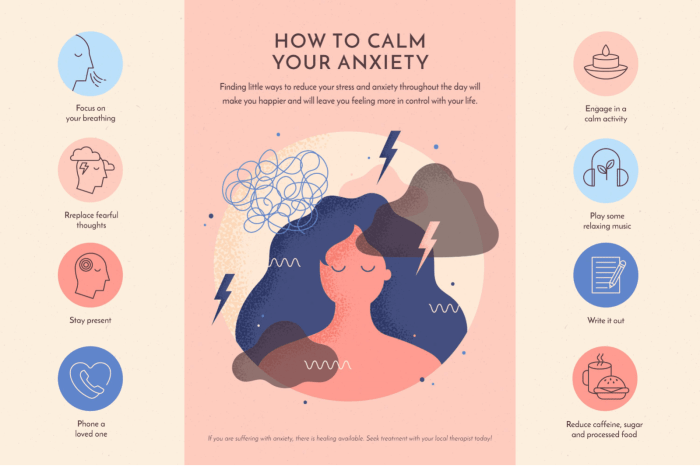
How to calm anxiety quickly is a crucial skill in today’s fast-paced world. Anxiety, a common human experience, can manifest in various ways, from mild unease to debilitating panic. Understanding the root causes and developing effective coping mechanisms are essential for navigating these challenges and reclaiming a sense of calm and control. This guide explores practical techniques for immediate anxiety relief, along with strategies for long-term management and building resilience.
We will delve into various methods, including breathing exercises, progressive muscle relaxation, grounding techniques, and mindfulness meditation, offering immediate relief from anxiety symptoms. Furthermore, we’ll examine the underlying causes of anxiety, such as stress and triggers, and provide actionable strategies for managing them effectively. Ultimately, the goal is to equip you with a comprehensive toolkit for managing anxiety and promoting long-term mental well-being.
Mindfulness Practices
Mindfulness involves paying attention to the present moment without judgment. It’s a skill that can be cultivated to reduce anxiety by shifting focus away from worries about the future or regrets about the past. By anchoring yourself in the present, you can lessen the intensity of anxious feelings and gain a sense of control. This section will explore how to incorporate mindfulness into your daily routine and provide a guided meditation script.Mindfulness practices encourage a non-judgmental observation of your thoughts, feelings, and bodily sensations.
This awareness helps you to identify and understand your anxiety triggers, allowing you to respond to them more effectively rather than reacting impulsively. Regular practice can lead to increased self-awareness, emotional regulation, and a greater sense of calm.
A Guided Mindfulness Meditation for Anxiety Reduction
Find a quiet space where you can sit or lie down comfortably. Close your eyes gently. Begin by focusing on your breath, noticing the sensation of the air entering and leaving your nostrils. Observe the rise and fall of your chest or abdomen. If your mind wanders—and it will—simply acknowledge the thought without judgment and gently redirect your attention back to your breath.
Now, bring your awareness to your body, noticing any sensations—tingling, warmth, or tension. Acknowledge these sensations without trying to change them. Continue to focus on your breath and body for five to ten minutes. When you’re ready, slowly open your eyes.
Body Scan Meditation and Walking Meditation: A Comparison
Body scan meditation involves systematically bringing awareness to different parts of the body, noticing any sensations without judgment. This technique helps to increase body awareness and can be particularly helpful in releasing physical tension associated with anxiety. For example, you might start with your toes, noticing any sensations, then move up your body, paying attention to your feet, ankles, calves, and so on.
This methodical approach helps to ground you in the present moment.Walking meditation involves paying close attention to the physical sensations of walking—the feeling of your feet on the ground, the movement of your legs, and the rhythm of your breath. It combines mindfulness with gentle physical activity, providing a calming and grounding experience. Unlike a brisk walk, the focus is entirely on the present moment, the physical act of walking itself, and the awareness of your body in motion.
Both techniques are valuable tools for managing anxiety, offering different approaches to cultivating present moment awareness.
Mental Health Advocacy
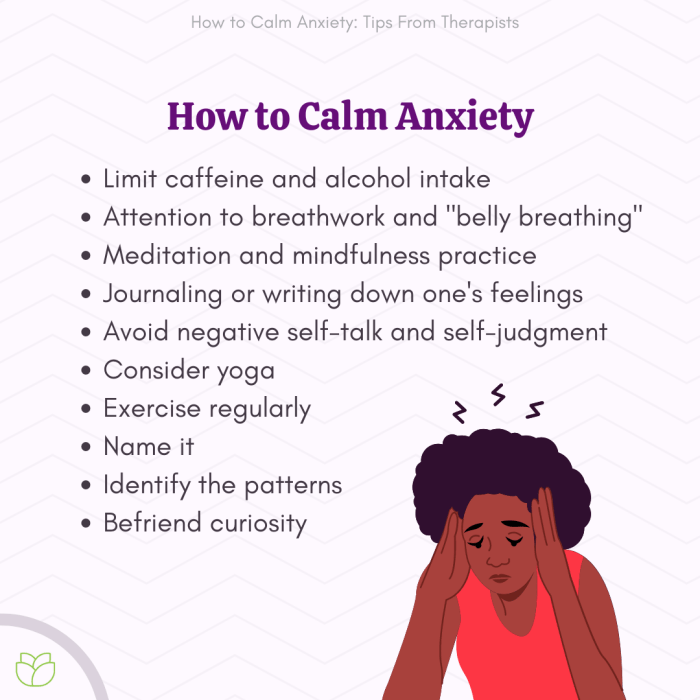
Advocating for mental health is crucial for creating a society that supports well-being and reduces the stigma surrounding mental illness. By actively participating in advocacy efforts, individuals can significantly impact the lives of those struggling with mental health challenges and contribute to a more inclusive and understanding community. This involves various actions, from raising awareness to influencing policy changes.Mental health advocacy involves a multifaceted approach to promoting mental well-being and reducing the stigma associated with mental health conditions.
It requires a concerted effort from individuals, organizations, and governments to create a supportive environment where people feel comfortable seeking help and receiving the care they need. Effective strategies encompass education, community building, and policy reform.
Strategies for Reducing Stigma
Reducing the stigma surrounding mental health requires a multi-pronged approach focusing on education, empathy, and open dialogue. It’s vital to challenge misconceptions and promote accurate information about mental health conditions. Sharing personal stories can be particularly powerful in humanizing the experience of mental illness and fostering understanding. Furthermore, promoting respectful language and avoiding stigmatizing terminology are crucial steps in creating a more supportive environment.
This involves actively challenging negative stereotypes and promoting a culture of empathy and acceptance.
Getting Involved in Mental Health Advocacy
Individuals can contribute to mental health advocacy in numerous ways, depending on their interests and skills. Some options include volunteering with mental health organizations, participating in awareness campaigns, contacting elected officials to advocate for policy changes, or sharing personal stories to raise awareness and reduce stigma. Donating to mental health charities or supporting organizations that provide mental health services is another effective way to contribute.
Even small actions, such as engaging in respectful conversations about mental health, can make a significant difference.
Sample Social Media Post Promoting Mental Health Awareness
A sample social media post could read: “Your mental health matters. Let’s break the stigma surrounding mental illness and create a supportive community where everyone feels comfortable seeking help. #MentalHealthMatters #YouAreNotAlone #MentalHealthAwareness”. The post could also include a relevant image, such as a graphic with positive mental health messages or a picture representing community support. The image might depict diverse individuals supporting one another, symbolizing the inclusivity and understanding vital for positive mental health.
This visual element enhances the message’s impact, making it more engaging and memorable for viewers.
Workplace Mental Health: How To Calm Anxiety Quickly
Promoting mental well-being in the workplace is crucial for both employee satisfaction and organizational success. A healthy workforce is a productive workforce, and neglecting mental health can lead to decreased productivity, increased absenteeism, and higher turnover rates. Creating a supportive environment where employees feel comfortable discussing their mental health is paramount.
A supportive and inclusive work environment fosters a sense of belonging and psychological safety. This allows employees to feel comfortable being themselves, openly communicating their needs, and seeking help when needed. This, in turn, reduces stress and improves overall mental well-being. Open communication and a culture of understanding are essential building blocks.
Strategies for Promoting Mental Well-being in the Workplace
Implementing effective strategies requires a multi-faceted approach. This includes providing resources, fostering open communication, and actively promoting a culture of well-being. These actions contribute significantly to a healthier and more productive work environment.
Organizations can offer various resources such as employee assistance programs (EAPs), mental health workshops, and access to mental health professionals. Providing flexible work arrangements, such as remote work options or flexible hours, can also significantly reduce stress and improve work-life balance. Encouraging regular breaks and promoting healthy lifestyle choices through initiatives like wellness programs can further contribute to employee well-being.
Creating a Supportive and Inclusive Work Environment, How to calm anxiety quickly
A supportive and inclusive workplace culture is characterized by empathy, understanding, and respect. It is a space where employees feel valued, respected, and comfortable expressing their thoughts and feelings without fear of judgment or retribution. This environment encourages open communication and collaboration, fostering a sense of community and shared responsibility for mental health.
Leaders play a vital role in establishing this culture by modeling healthy behaviors, openly discussing mental health, and actively promoting mental health initiatives. Training managers on recognizing and responding to signs of mental health challenges in employees is also crucial. Regular communication and feedback sessions can help create a more open and transparent work environment, allowing employees to voice their concerns and feel heard.
Examples of Workplace Policies that Support Employee Mental Health
Effective policies demonstrate a commitment to employee well-being. These policies should be clear, accessible, and actively promoted within the organization. Examples of such policies include offering generous paid time off for mental health appointments, implementing flexible work arrangements, and providing access to mental health resources through EAPs or other similar programs.
A comprehensive policy might also include provisions for mental health leave, ensuring employees have the time and support they need to recover and return to work feeling refreshed and ready to contribute. Policies should also address issues such as workplace bullying and harassment, which can significantly impact mental health. Regular reviews and updates to these policies are necessary to ensure they remain relevant and effective in addressing the evolving needs of employees.
Overcoming Addictions
Addiction is a serious health problem that significantly impacts mental well-being. It’s crucial to understand the strong connection between addiction and mental health conditions like anxiety and depression, as they often coexist and exacerbate each other. This section explores this relationship and Artikels strategies for overcoming addiction.Addiction frequently co-occurs with anxiety and depression, creating a complex cycle of suffering.
For instance, individuals struggling with substance abuse may use substances to cope with anxiety or depression, leading to increased dependence and worsening mental health symptoms. Conversely, untreated anxiety and depression can increase the vulnerability to addiction as individuals seek relief through harmful substances or behaviors. This interplay highlights the importance of a holistic approach to treatment, addressing both the addiction and the underlying mental health issues simultaneously.
The Link Between Addiction and Mental Health
The relationship between addiction and mental health is multifaceted. Anxiety disorders, such as generalized anxiety disorder and panic disorder, can increase the risk of developing an addiction. Individuals may turn to substances or behaviors as a means of self-medicating, attempting to alleviate anxiety symptoms. Similarly, depression can significantly increase the likelihood of substance abuse as individuals seek escape from feelings of hopelessness and despair.
The shared neurobiological mechanisms underlying both addiction and mental health disorders contribute to this complex relationship. For example, imbalances in neurotransmitters like dopamine and serotonin, which play crucial roles in mood regulation and reward pathways, are implicated in both conditions. Treatment therefore needs to consider these intertwined aspects.
Strategies for Overcoming Addiction
Overcoming addiction requires a comprehensive and personalized approach. Several evidence-based strategies have proven effective in supporting recovery. These include:
Several effective strategies exist to support individuals in their recovery journey. These methods are often most successful when implemented as part of a comprehensive treatment plan tailored to the individual’s specific needs and circumstances.
- Cognitive Behavioral Therapy (CBT): CBT helps individuals identify and change negative thought patterns and behaviors that contribute to addiction. It equips individuals with coping mechanisms to manage cravings and triggers.
- Medication-Assisted Treatment (MAT): MAT combines medications with behavioral therapies to reduce withdrawal symptoms, cravings, and the risk of relapse. The choice of medication depends on the specific substance being abused.
- Support Groups: Support groups, such as Alcoholics Anonymous (AA) or Narcotics Anonymous (NA), provide a sense of community and shared experience, fostering mutual support and accountability.
- Lifestyle Changes: Adopting healthy lifestyle choices, including regular exercise, balanced nutrition, and sufficient sleep, can significantly improve overall well-being and reduce the risk of relapse.
The Importance of Seeking Professional Help
Seeking professional help is paramount in overcoming addiction. Addiction is a complex condition that often requires specialized expertise to address effectively. A healthcare professional, such as a psychiatrist, psychologist, or addiction specialist, can provide a comprehensive assessment, develop a personalized treatment plan, and monitor progress. They can also help manage co-occurring mental health conditions, ensuring holistic treatment.
Delaying professional help can prolong suffering and increase the risk of serious health consequences. Early intervention is crucial for improving treatment outcomes and reducing the long-term impact of addiction. Professional guidance ensures access to evidence-based treatments and support systems tailored to individual needs, maximizing chances of successful recovery.
Personal Growth and Self-Care
Personal growth and self-care are intertwined aspects of overall well-being. Investing in these areas equips individuals with the resilience and coping mechanisms necessary to navigate life’s challenges and achieve a greater sense of fulfillment. By focusing on realistic goals and incorporating consistent self-care practices, individuals can foster a healthier relationship with themselves and the world around them.
Setting Realistic Personal Growth Goals
Setting realistic goals is crucial for sustainable personal growth. Unrealistic expectations can lead to discouragement and hinder progress. Effective goal setting involves a clear understanding of one’s current capabilities, a well-defined path, and measurable milestones. Start by identifying areas for improvement, breaking down larger goals into smaller, manageable steps, and setting deadlines that allow for flexibility and adjustments.
For example, instead of aiming to “become a marathon runner,” a more realistic goal might be “run a 5k in three months,” with weekly training plans as smaller steps. Regularly reviewing and adjusting goals based on progress ensures continuous improvement and prevents burnout.
Self-Care Practices for Mental and Emotional Well-being
Self-care encompasses a range of activities that nourish the mind, body, and spirit. These practices are not luxuries but essential components of maintaining mental and emotional well-being. Prioritizing self-care can reduce stress, improve mood, and enhance overall resilience. Examples of effective self-care practices include: regular exercise, which releases endorphins and reduces stress; mindful meditation, which promotes relaxation and self-awareness; spending time in nature, which offers a calming and restorative environment; engaging in hobbies and activities that bring joy and relaxation, such as reading, painting, or listening to music; maintaining healthy sleep hygiene, which ensures adequate rest and recovery; and nurturing social connections with supportive friends and family, providing emotional support and belonging.
Self-Compassion and Self-Acceptance
Self-compassion and self-acceptance are fundamental to personal growth and well-being. Self-compassion involves treating oneself with kindness, understanding, and acceptance, particularly during difficult times. It’s about recognizing that imperfections are part of the human experience and extending the same level of understanding to oneself that one would offer to a friend facing similar challenges. Self-acceptance acknowledges and embraces one’s strengths and weaknesses without judgment.
This involves recognizing that personal growth is a journey, not a destination, and allowing oneself to make mistakes and learn from them. Cultivating self-compassion and self-acceptance fosters resilience, reduces self-criticism, and promotes a more positive self-image. For instance, instead of berating oneself after a setback, a self-compassionate response might involve acknowledging the difficulty of the situation, recognizing that everyone makes mistakes, and focusing on learning from the experience.
Mastering the art of calming anxiety quickly empowers you to navigate life’s challenges with greater ease and resilience. By incorporating the techniques discussed – from immediate relief methods like breathing exercises to long-term strategies like mindfulness and self-care – you can cultivate a calmer, more centered state of being. Remember, seeking professional help is a sign of strength, and there are numerous resources available to support your journey towards improved mental well-being.
Take control of your anxiety; you have the power to create a more peaceful and fulfilling life.
FAQ Corner
Can I use these techniques for all types of anxiety?
While these techniques are helpful for many, severe anxiety disorders may require professional help. These methods are best used as supplementary tools alongside professional guidance if needed.
How long does it take to see results from these techniques?
Results vary. Some techniques provide immediate relief, while others require consistent practice for long-term benefits. Be patient and persistent.
What if I’m still anxious after trying these methods?
If anxiety persists or worsens, consult a doctor or mental health professional. They can provide a proper diagnosis and recommend appropriate treatment.
Are there any side effects to these techniques?
Generally, these techniques are safe. However, if you experience any discomfort, stop and consult a healthcare professional.


